Why Your HVAC Breaker Size Is a Bigger Deal Than You Think
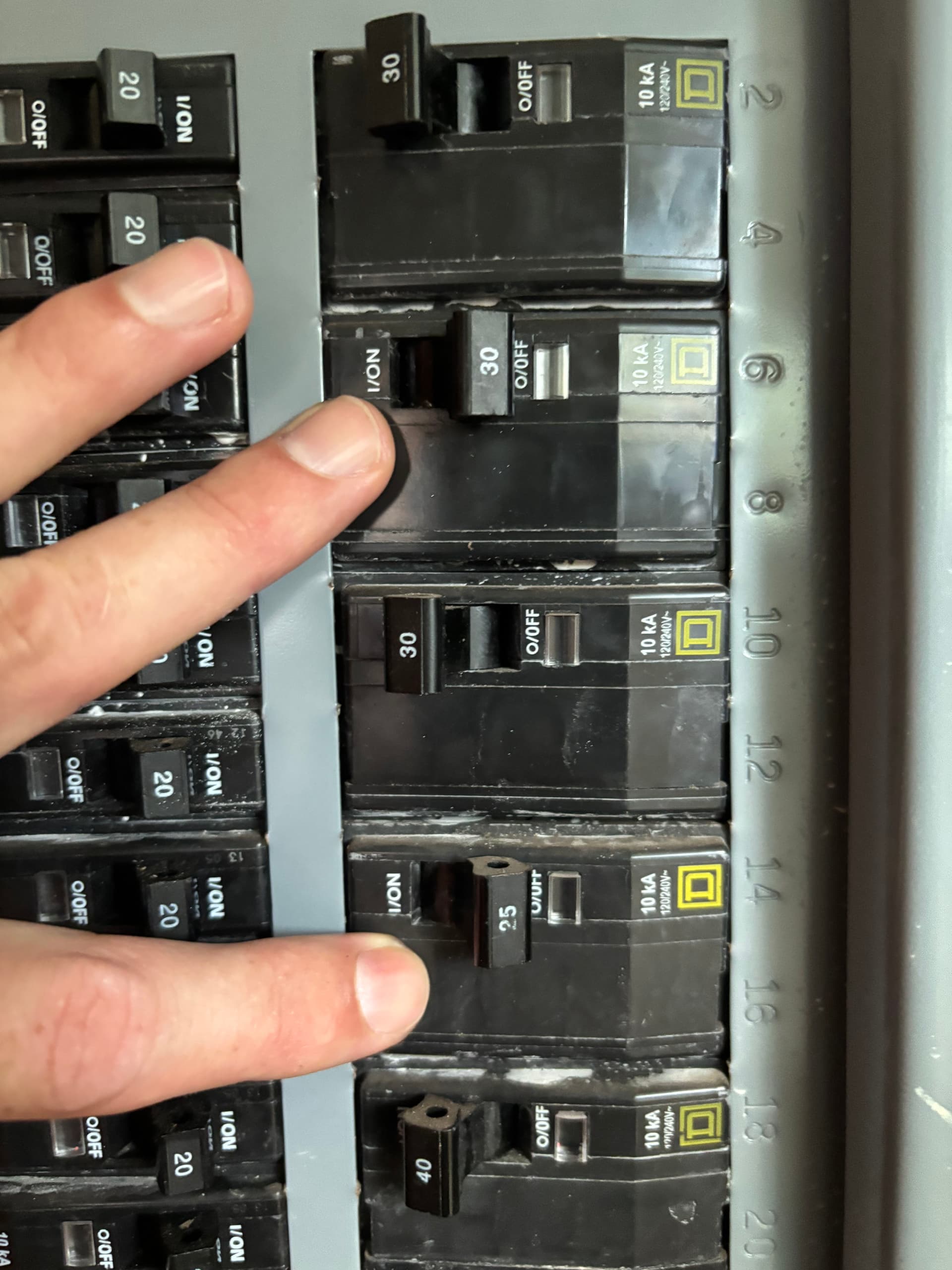
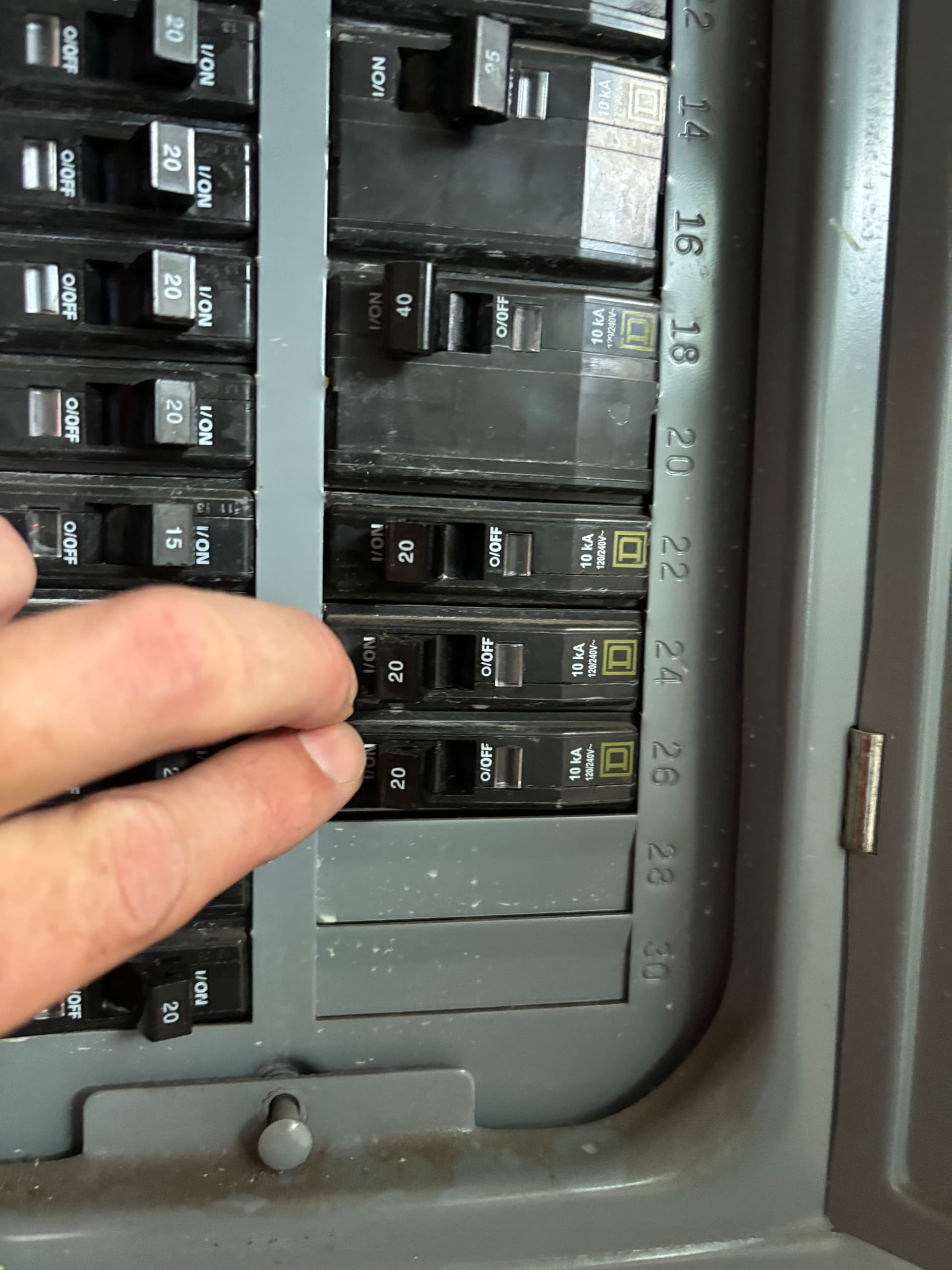
Most people never think twice about the breaker that powers their HVAC system. It's just a switch in a box, right? Not exactly. The breaker tied to your heating and cooling equipment has a specific job - and if it's the wrong size for the load your system draws, things start going wrong in ways that are hard to trace back to the real cause.
Here's what we see pretty regularly: a system that trips its breaker on hot days, or one that runs but never quite keeps up. Nine times out of ten, there's a mismatch somewhere in the electrical side of the setup. Either the breaker is undersized and can't handle the startup draw of the compressor, or it's oversized and isn't providing the protection it should. Both are problems.
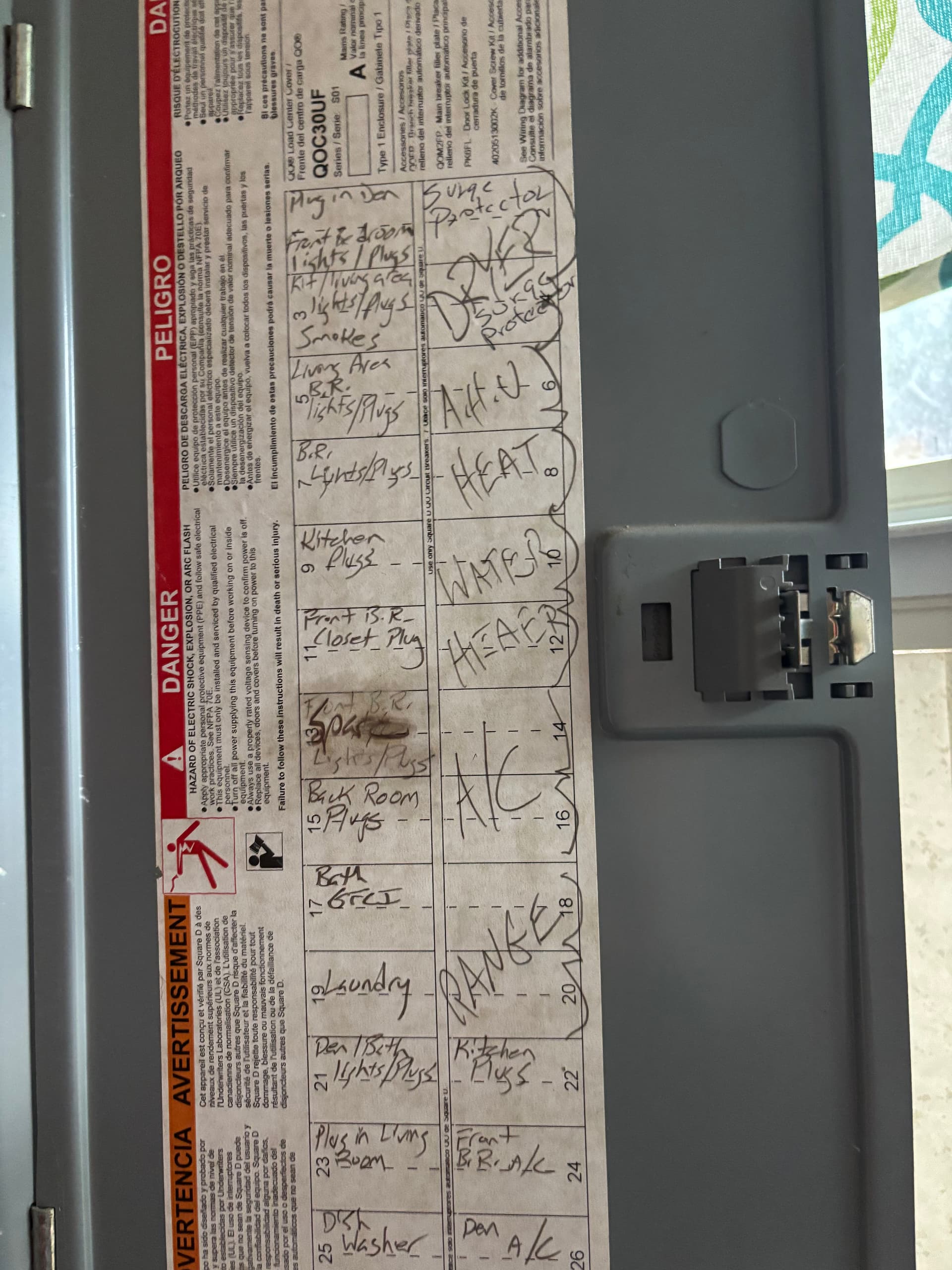
When we come out and take a look, we're not just checking the unit itself. We're working through the whole picture - the breaker amperage, what else shares that panel space, how the label matches up to what's actually wired in. A lot of panels we come across have had work done over the years, and the directory doesn't always tell the full story anymore. That's where experience matters.
Getting the electrical side right isn't about being overly cautious. It's about making sure your system runs the way the manufacturer intended. A properly matched breaker means fewer nuisance trips, better performance on the hottest days of the year, and a longer life for your equipment. It's one of those details that doesn't get talked about much but makes a real difference.
If your system has been tripping breakers, running inconsistently, or you've never had the electrical side of your HVAC setup looked at - it's worth a second opinion. Small details at the panel level can have a big impact on how your whole system performs.