Why a Dirty Drain Pan Is a Bigger Deal Than You Think
Most homeowners never think about their drain pan. It sits under the evaporator coil, quietly collecting condensation every time your system runs. Out of sight, out of mind. The problem is that when it gets neglected long enough, it stops doing its job - and that's when the real trouble starts.
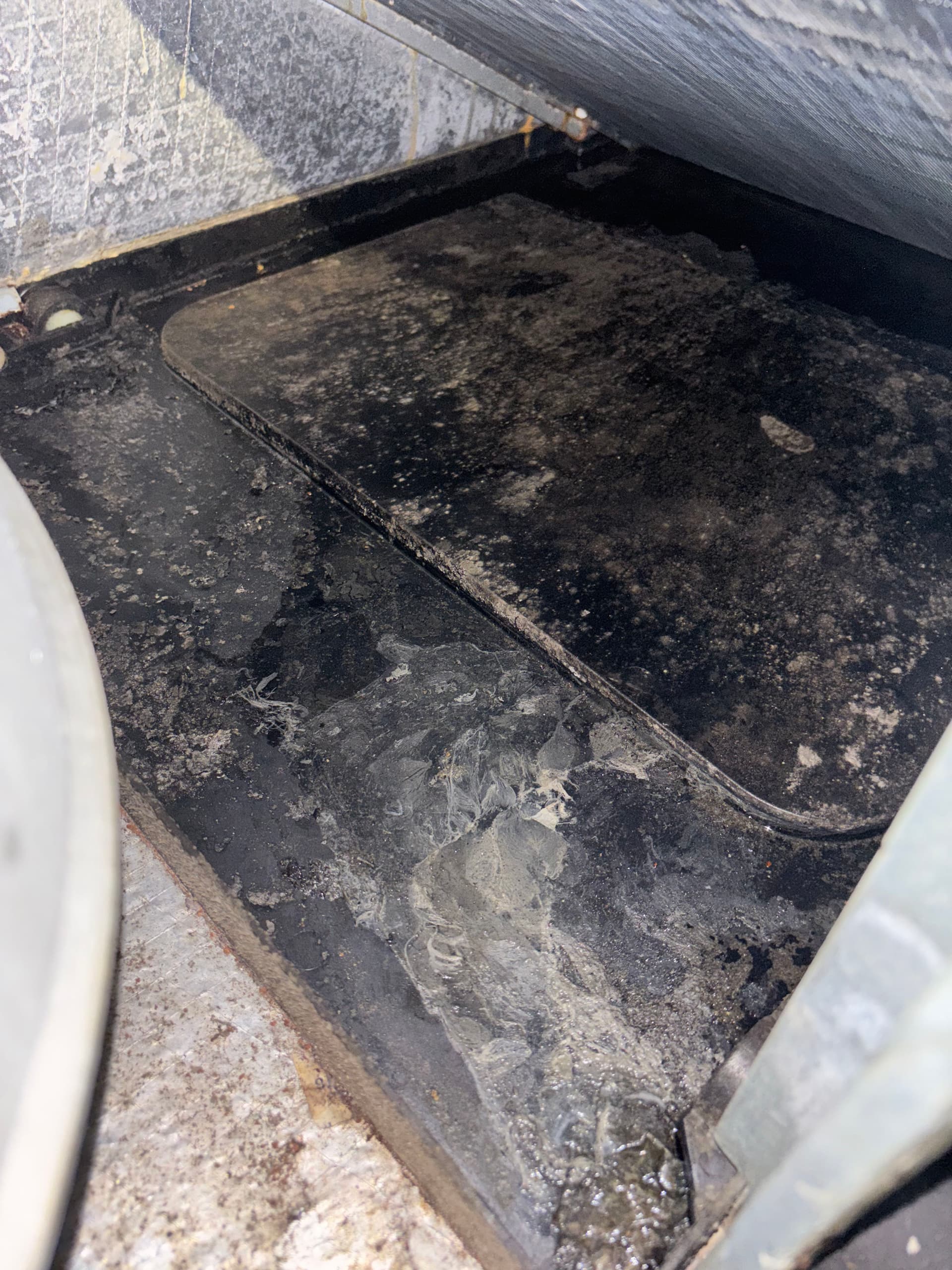
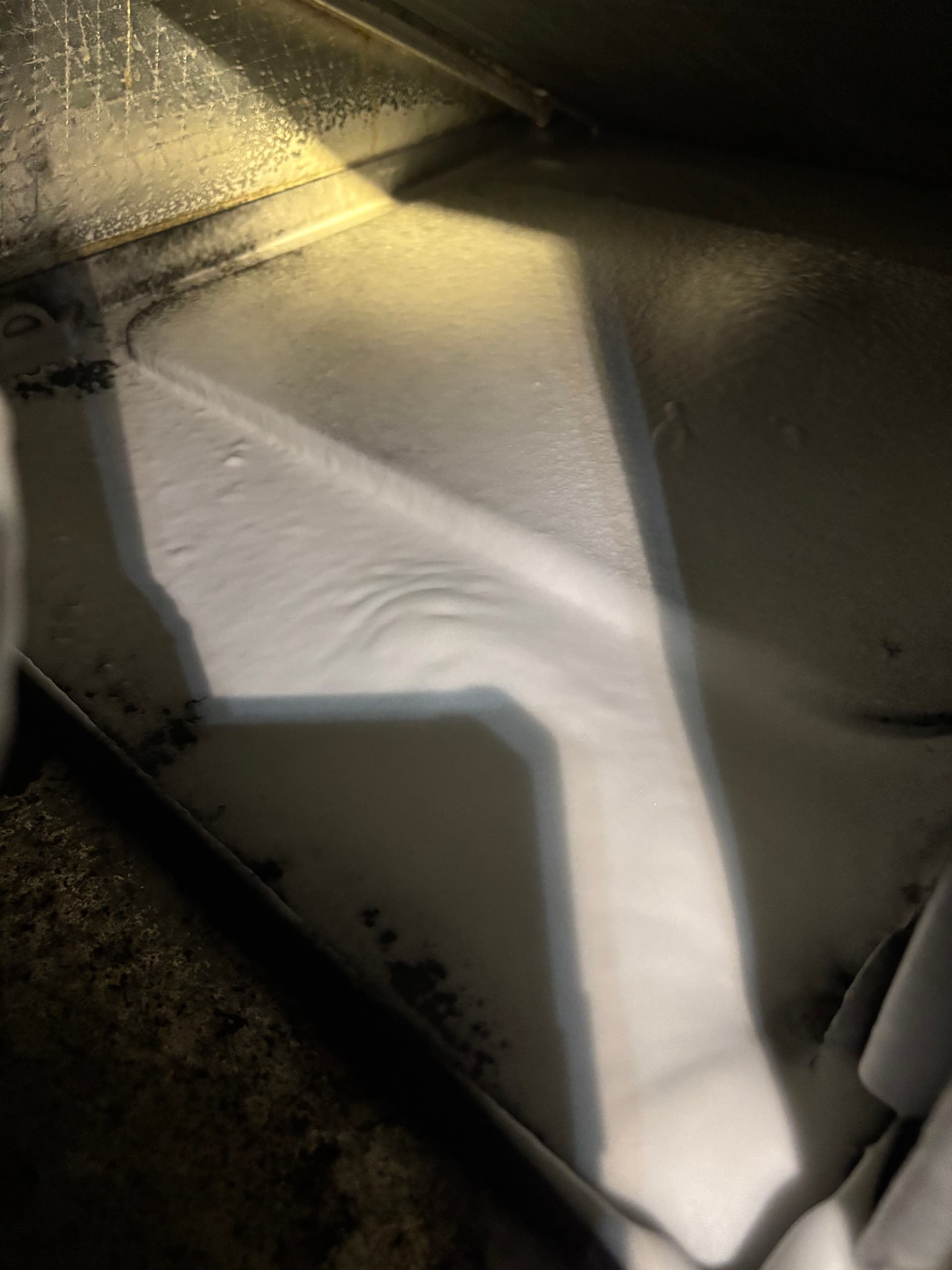
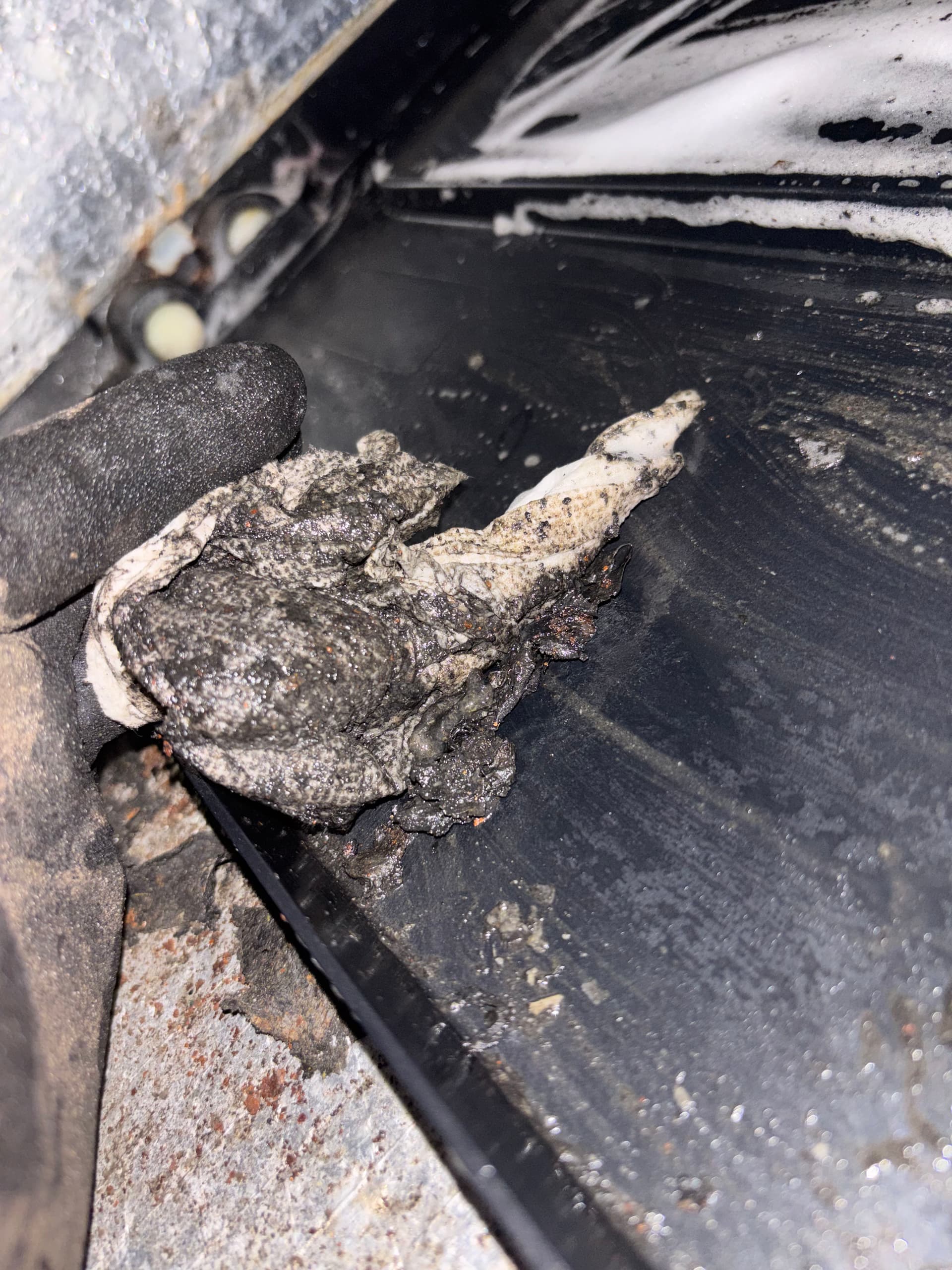
Here's what we're dealing with on a typical tune-up call. That pan can collect dust, debris, algae, and a thick sludge buildup that clogs the drain line and causes water to back up. Left alone, it leads to water damage, mold risk, and a system that shuts itself down at the worst possible time. The before condition on this one was pretty bad - heavy buildup packed into the pan, the kind that doesn't happen overnight.
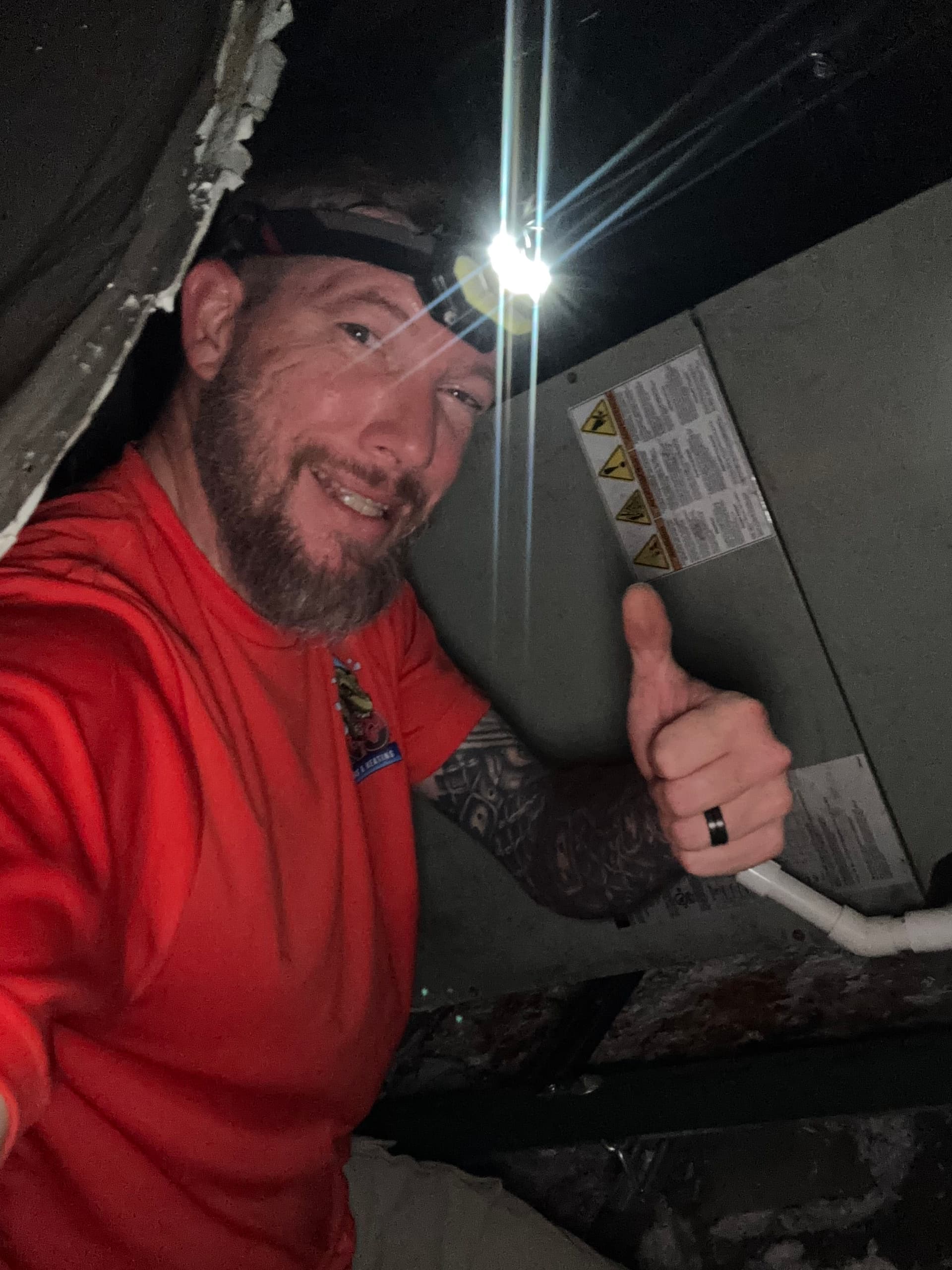
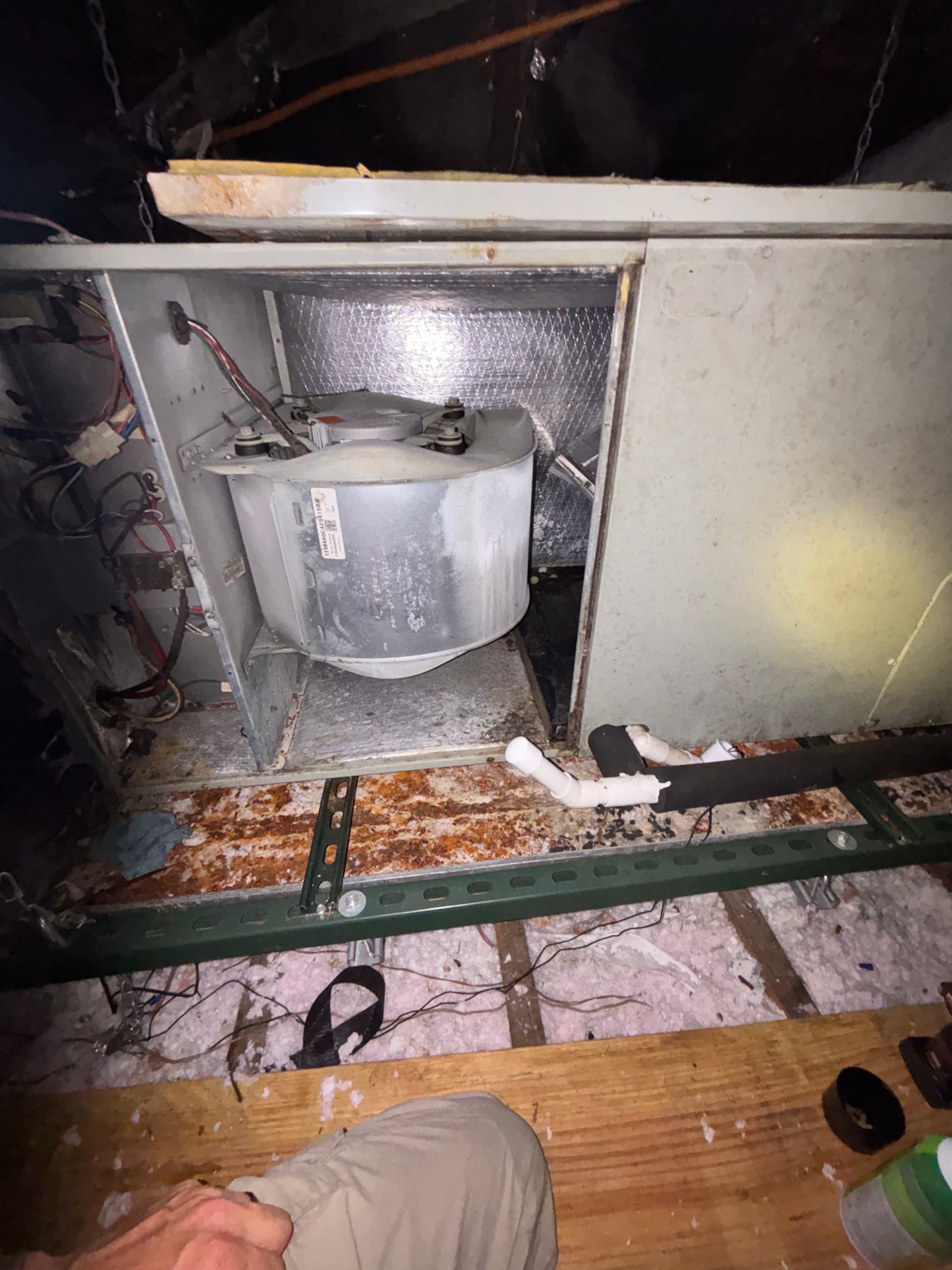
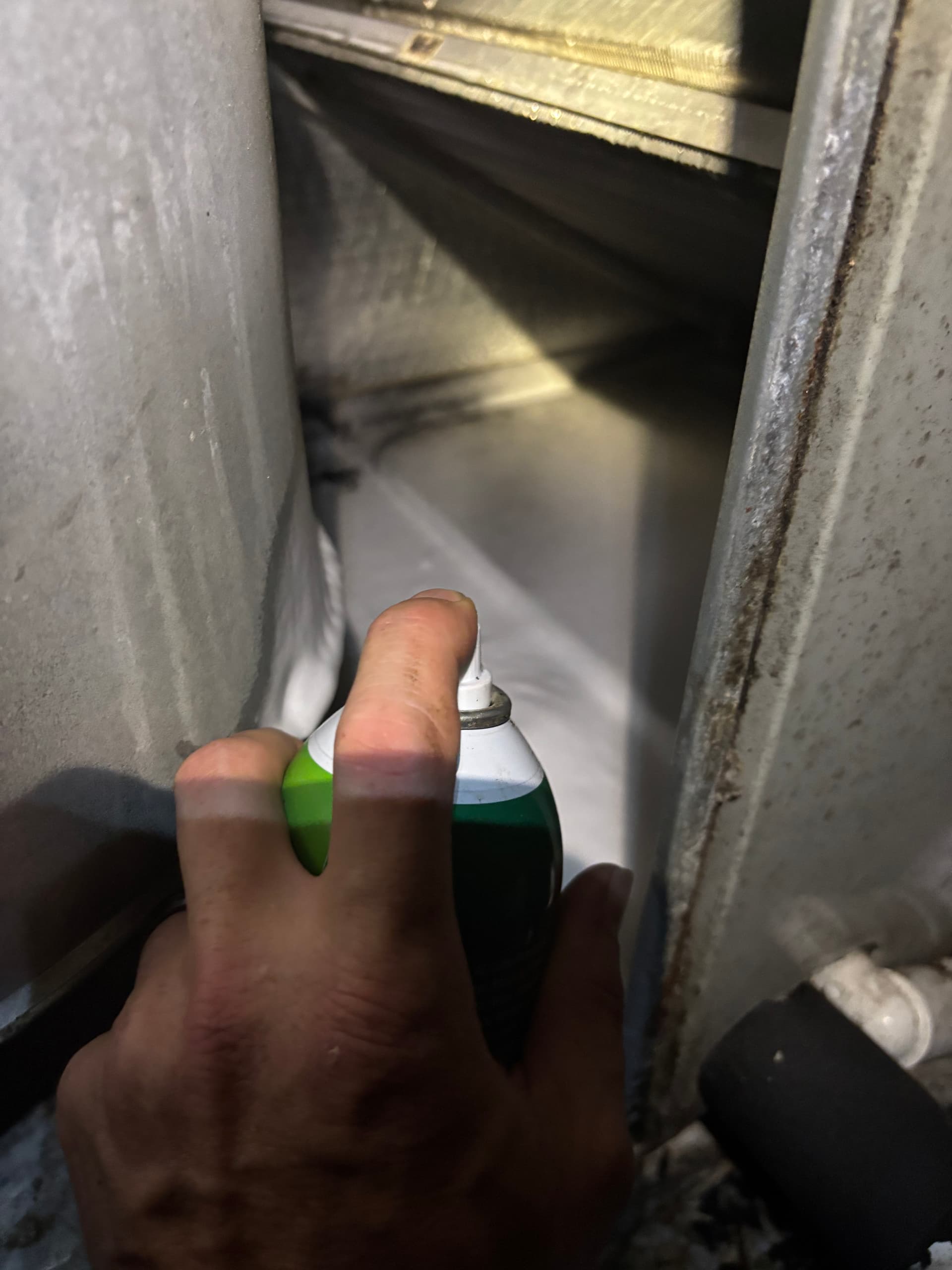
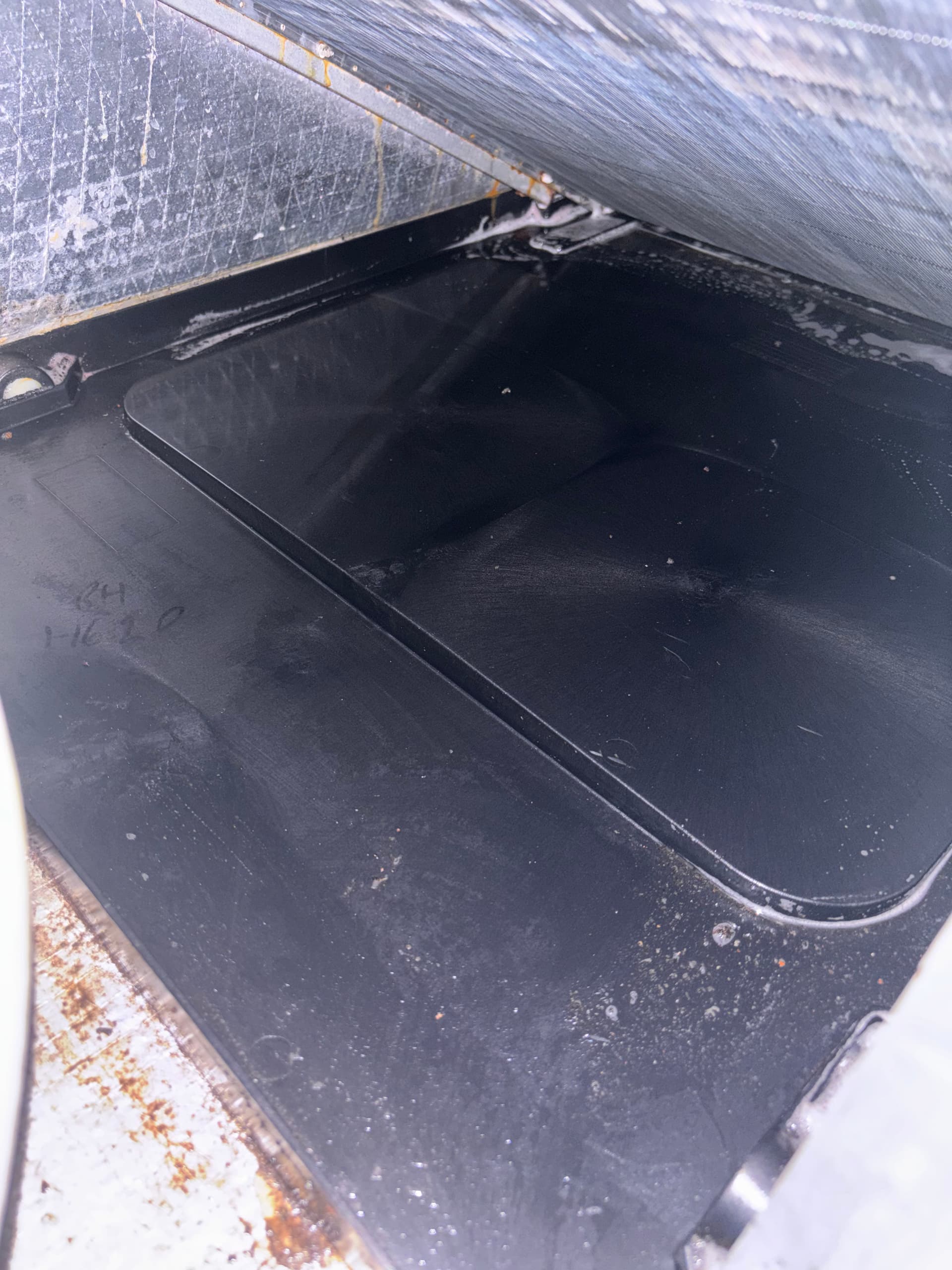
Part of what we do on every HVAC tune-up is get into the spaces most people don't bother with. That means climbing into tight attic spaces and taking a close look at what's actually going on with the equipment. We apply coil cleaner directly to the evaporator, scrub out the drain pan, pull the gunk by hand, and make sure the drain line is clear so water flows the way it's supposed to. It's not glamorous work, but it's exactly the kind of thing that keeps a system running.
The difference between a clean pan and a neglected one is pretty straightforward - one drains properly, the other doesn't. A clogged pan can trigger a system shutoff through the float switch, and if your system doesn't have one of those safety features, you're looking at water damage to ceilings, walls, or flooring. Catching this during a tune-up is a fraction of the cost of fixing a water-damaged ceiling.
Small stuff done right adds up. A thorough HVAC tune-up isn't just about checking refrigerant levels and calling it a day - it's about going through the whole system and handling the details that prevent breakdowns. If your system hasn't been serviced in a while, this is exactly the kind of thing waiting to be found.