Storm Water Got Into a Return Duct - Here's What We Found
Rain is great - until it finds its way into your HVAC system. Most homeowners never think about it, but a heavy storm can push water directly into a return duct, especially on homes where the ductwork runs low or near ground level. Once that happens, the problems stack up fast.
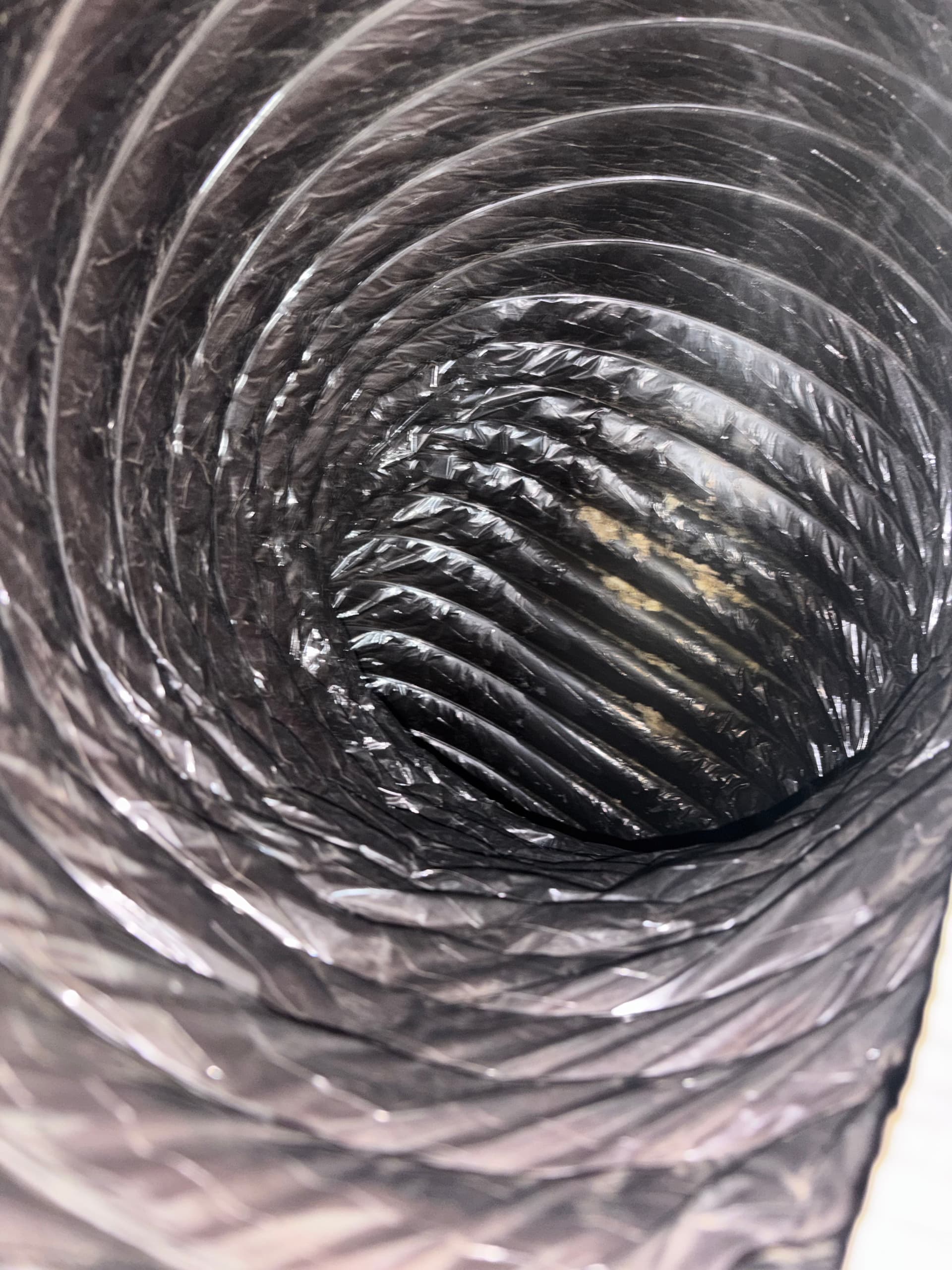
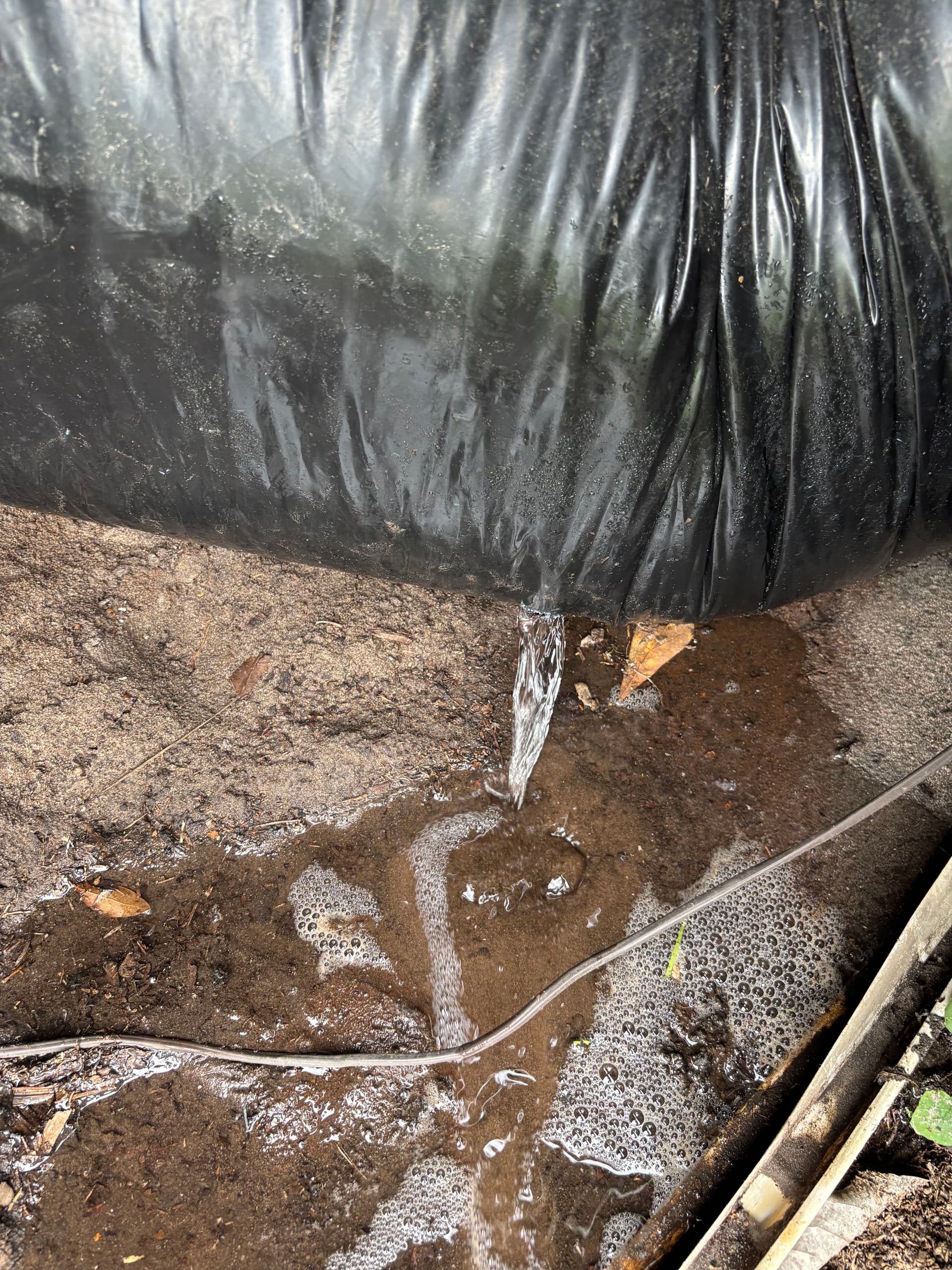
Here's what we were dealing with on this one. The flexible return duct under the home had collected a significant amount of standing water inside it - enough to pour out in a steady stream when we got in there to investigate. That much moisture sitting inside a duct is bad news. It kills airflow, puts serious strain on the system, and creates conditions that are perfect for mold and mildew growth.
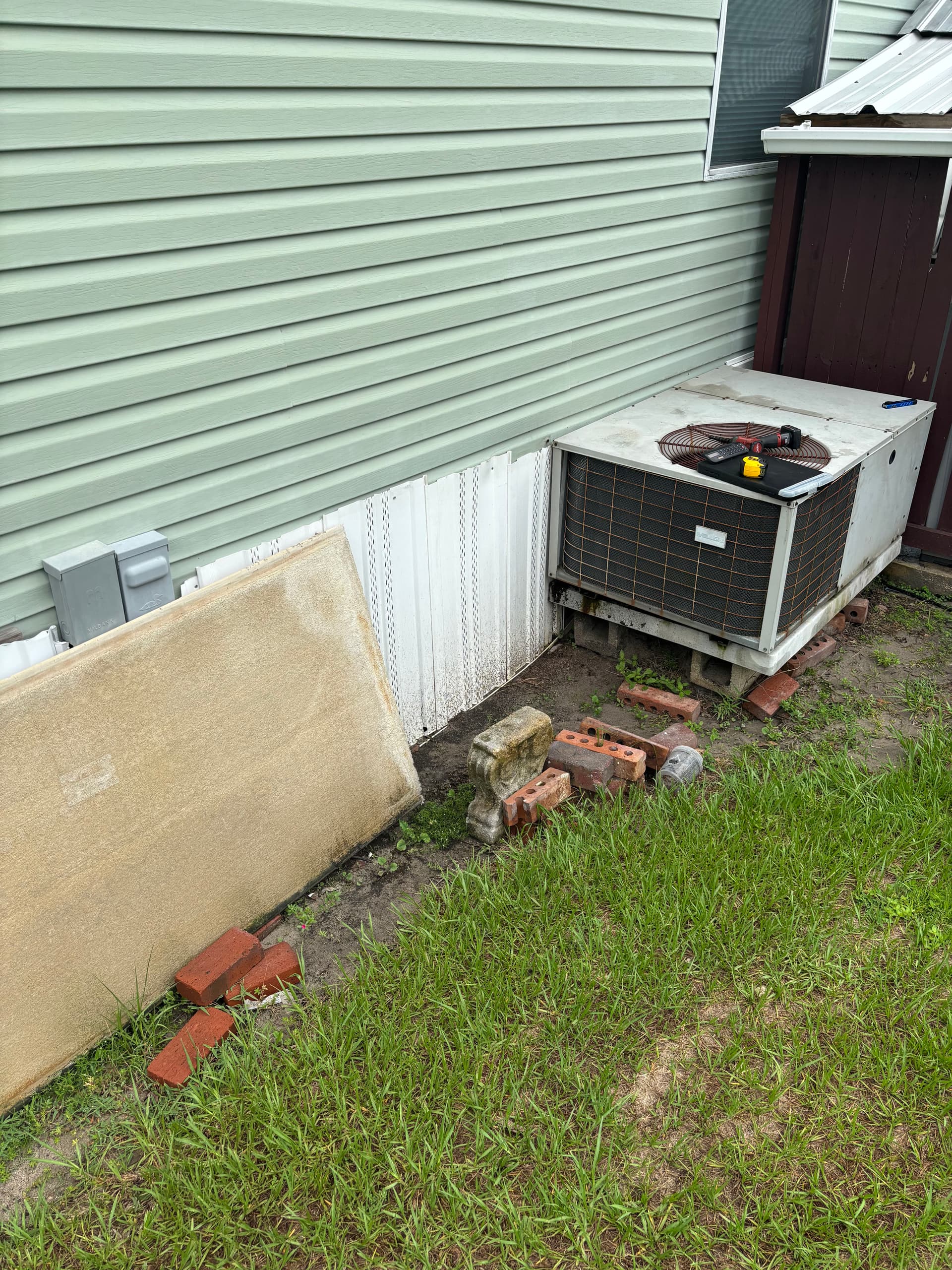
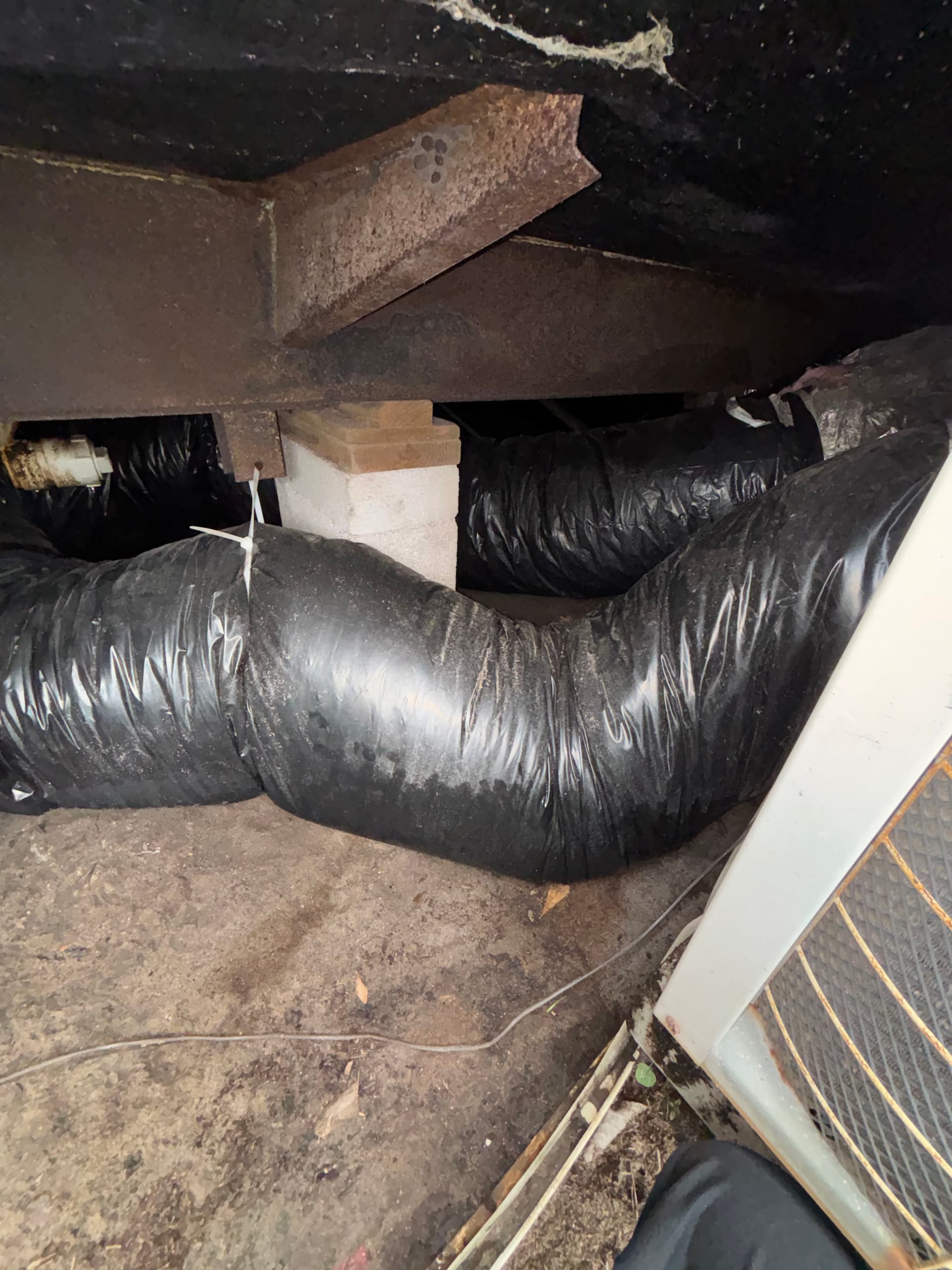
The outside unit looked like a typical setup at first glance. But once we got underneath the home and into the crawl space, the real story was clear. Wet, sagging ductwork. Mud. Water damage that had gone unnoticed. This is exactly the kind of thing that causes people to wonder why their AC is struggling - and they never connect it to a storm that rolled through weeks earlier.
This is why ductwork inspection matters after heavy rain. A damaged or saturated return duct forces your system to work harder to pull in the air it needs, which drives up energy costs and shortens the life of your equipment. Our ductwork repair and AC repair services are designed to track down problems like this - not just slap a quick fix on them - so your system runs the way it should.
If your system has been acting up after recent storms - weaker airflow, higher bills, unusual smells - it's worth having someone take a look at the ductwork, not just the unit itself. The issue is often hiding somewhere you'd never think to check.