Rodent Damage to Ductwork Is Worse Than You Think
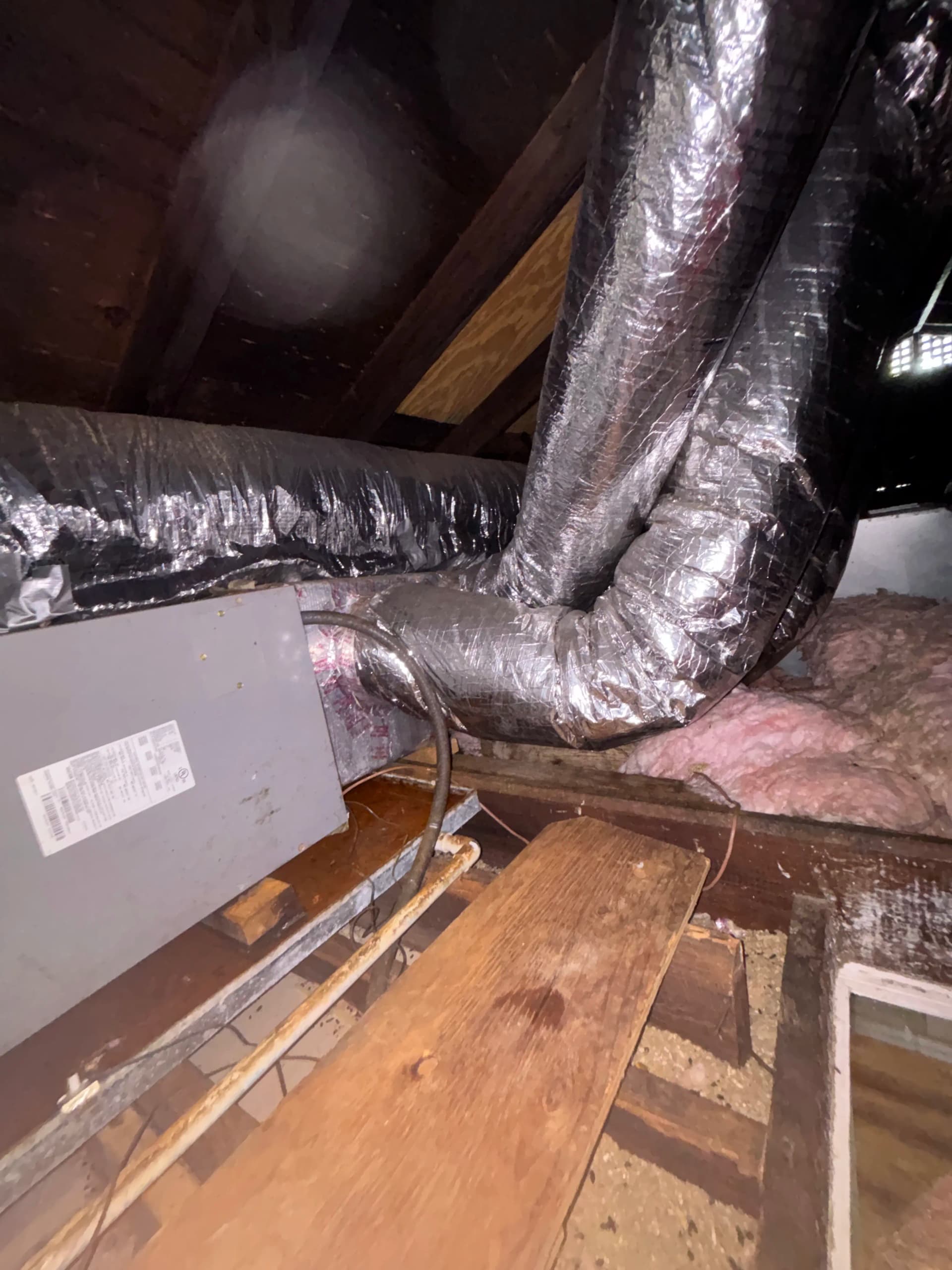
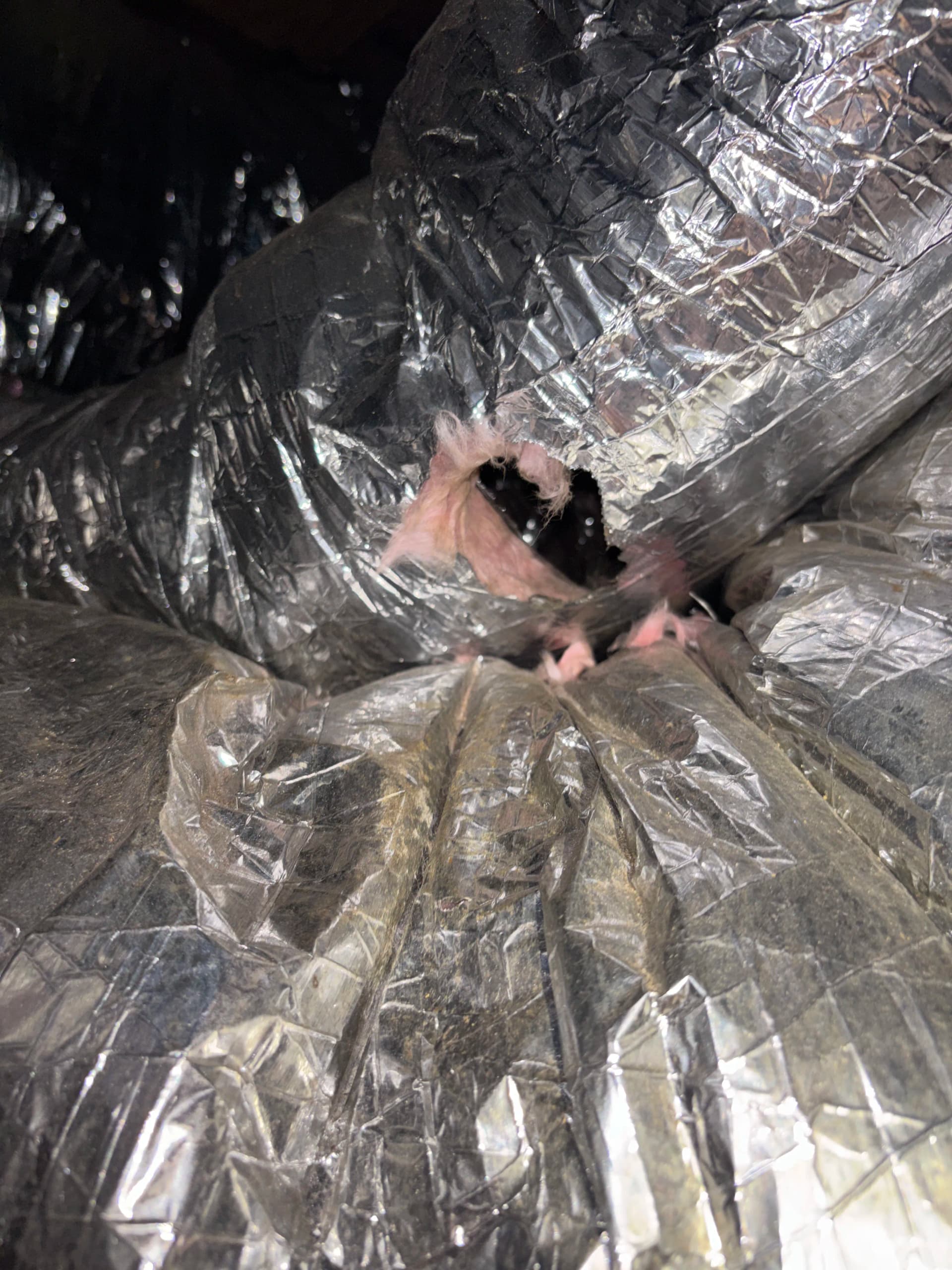
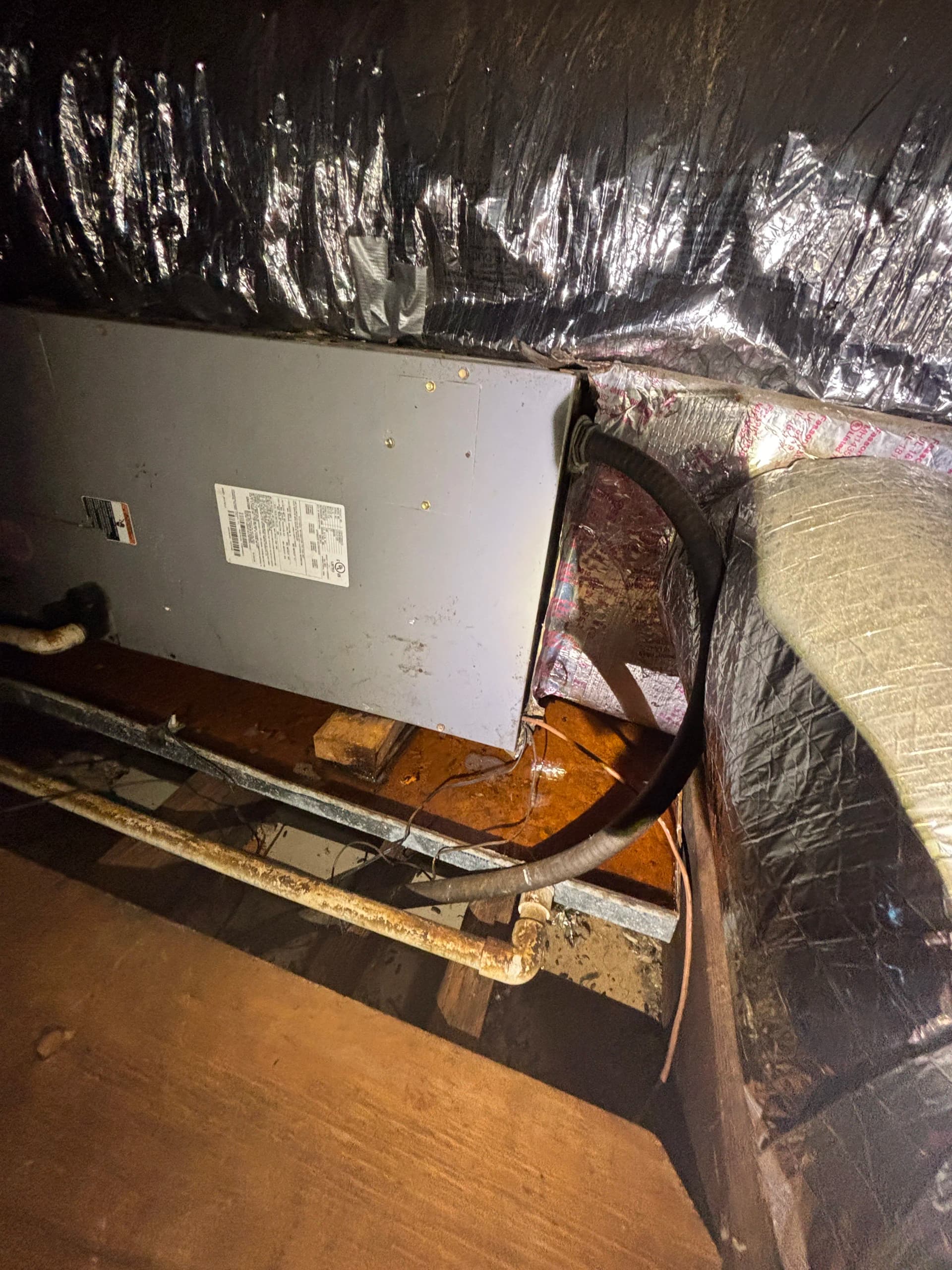
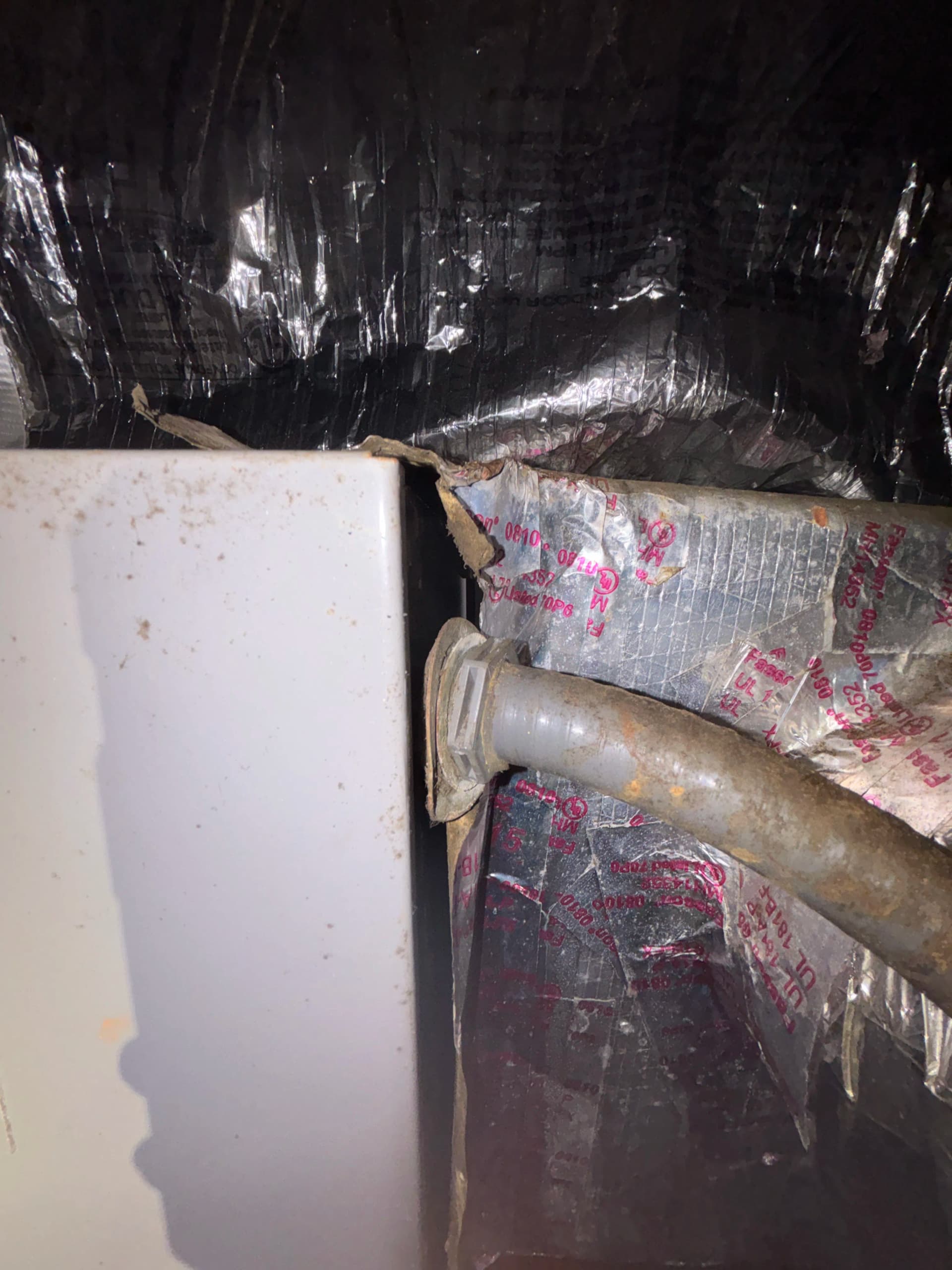
Most homeowners never know their ductwork has been chewed through until their A/C starts struggling to keep up. By the time you notice weak airflow or rooms that just won't cool down, the damage is already done - and it's usually been sitting there for a while. Rodents don't need much space. A small hole in a flex duct run means your system is pushing conditioned air straight into the attic instead of into your home.
Here's what we were working with - flex duct lines running through a tight attic space, with visible gnaw holes where rodents had torn right through the outer insulation jacket and into the duct itself. When that happens, your air handler is working against itself. It's pulling the same load but delivering a fraction of the airflow. That puts serious strain on the system and drives up your energy bill at the same time.
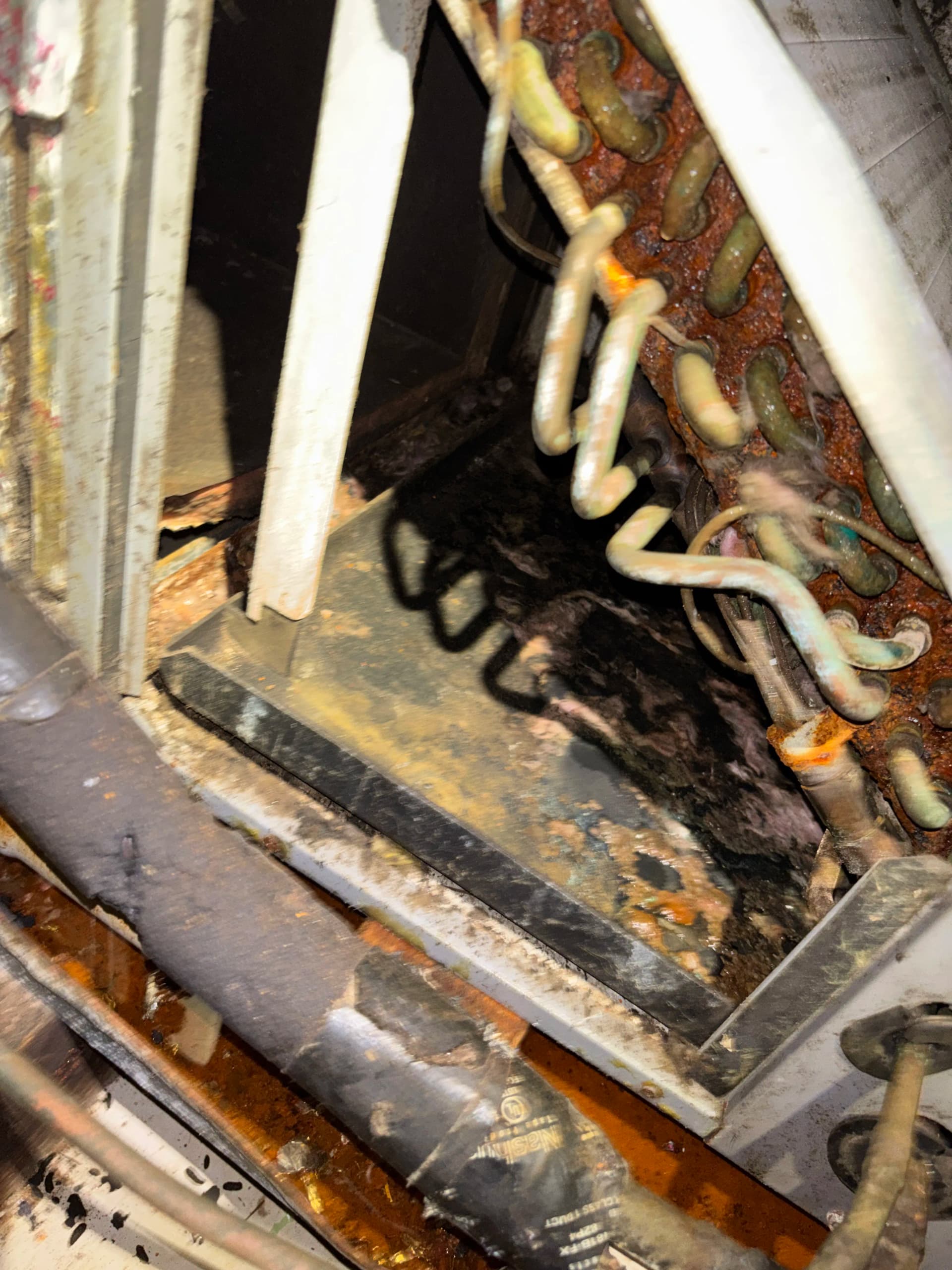
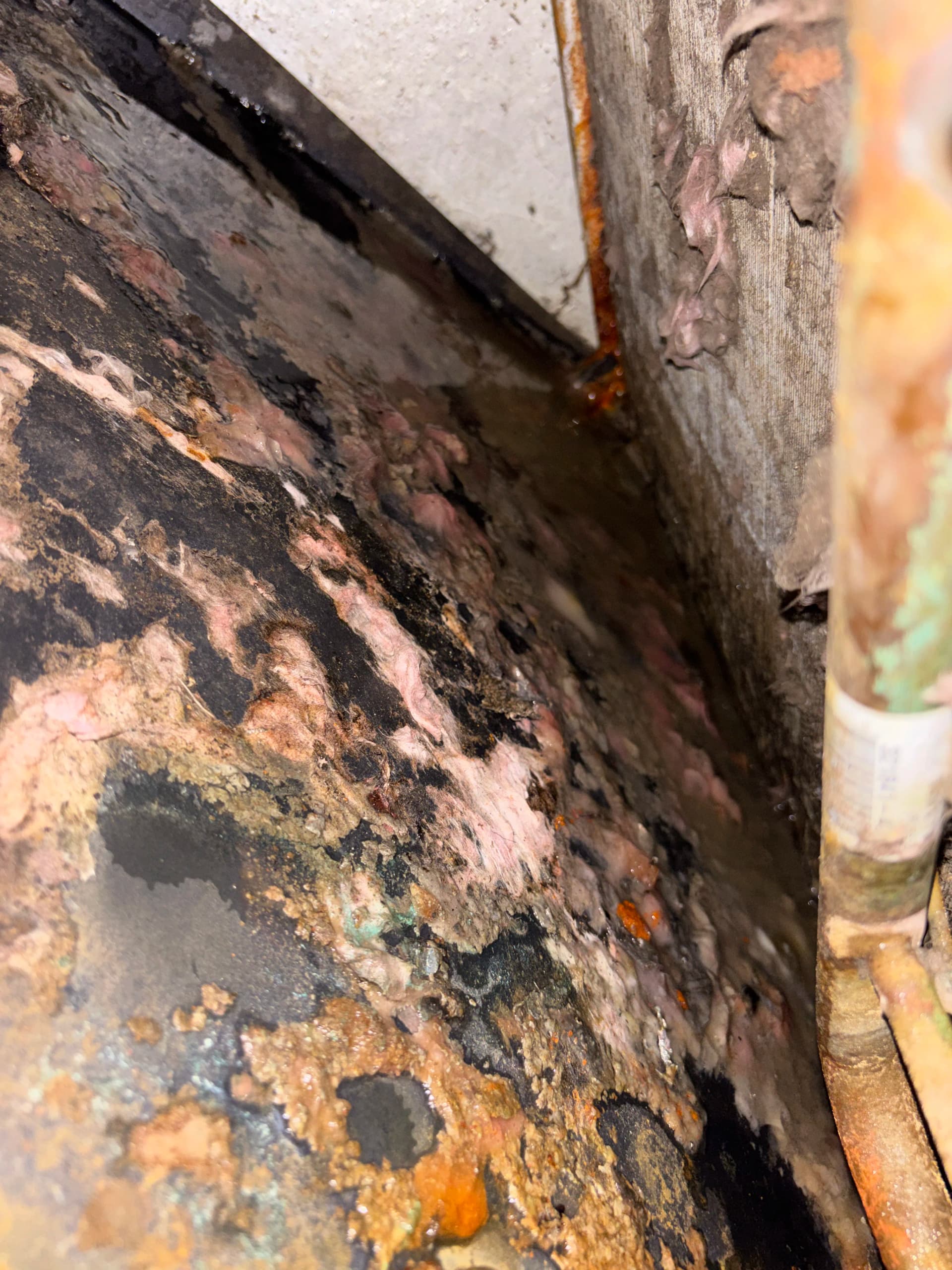
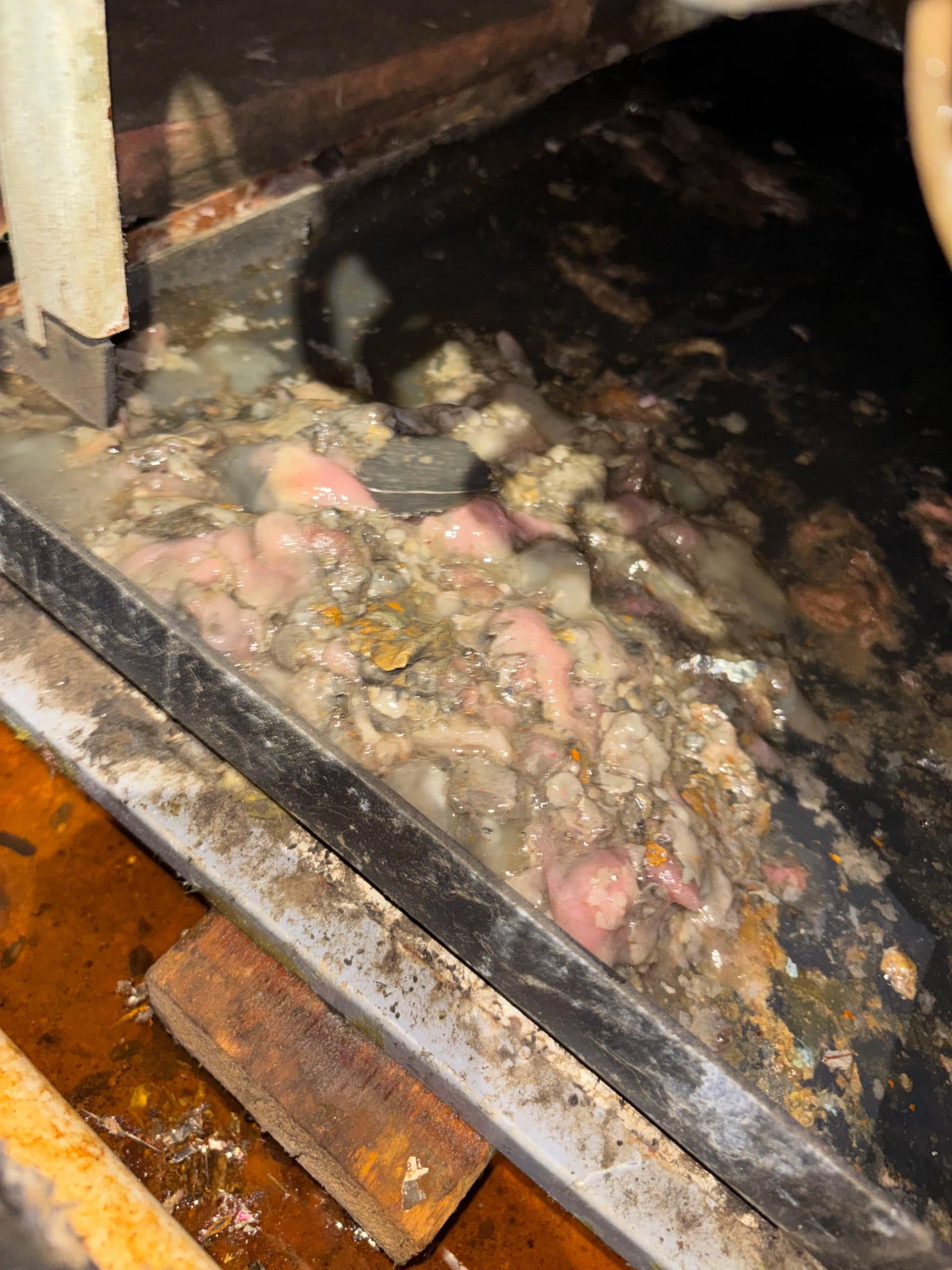
It doesn't stop at the ductwork either. When we get into these attic systems and start tracing the damage, we often find the air handler unit has taken a hit too. Moisture, debris, and contamination build up inside the cabinet and on the evaporator coil. Left alone, that leads to mold growth, coil corrosion, and eventually a system that flat-out fails. That's exactly the kind of compounding damage we look for during a thorough inspection.
The fix isn't just patching a hole. It's tracking down every breach in the duct system, checking the air handler for internal contamination, and making sure the whole system is actually moving air the way it should. That's what ductwork repair done right looks like - not a quick wrap of tape, but a full assessment and proper repair from the inside out.
If your cooling has felt off lately - certain rooms not getting cold, the system running longer than it used to, or higher bills without explanation - there's a real chance something like this is going on in your attic. It's worth getting someone in there to take a look before a small problem turns into a full system replacement.