Old Electric Wall Heater Removed and Ductwork Sealed Right
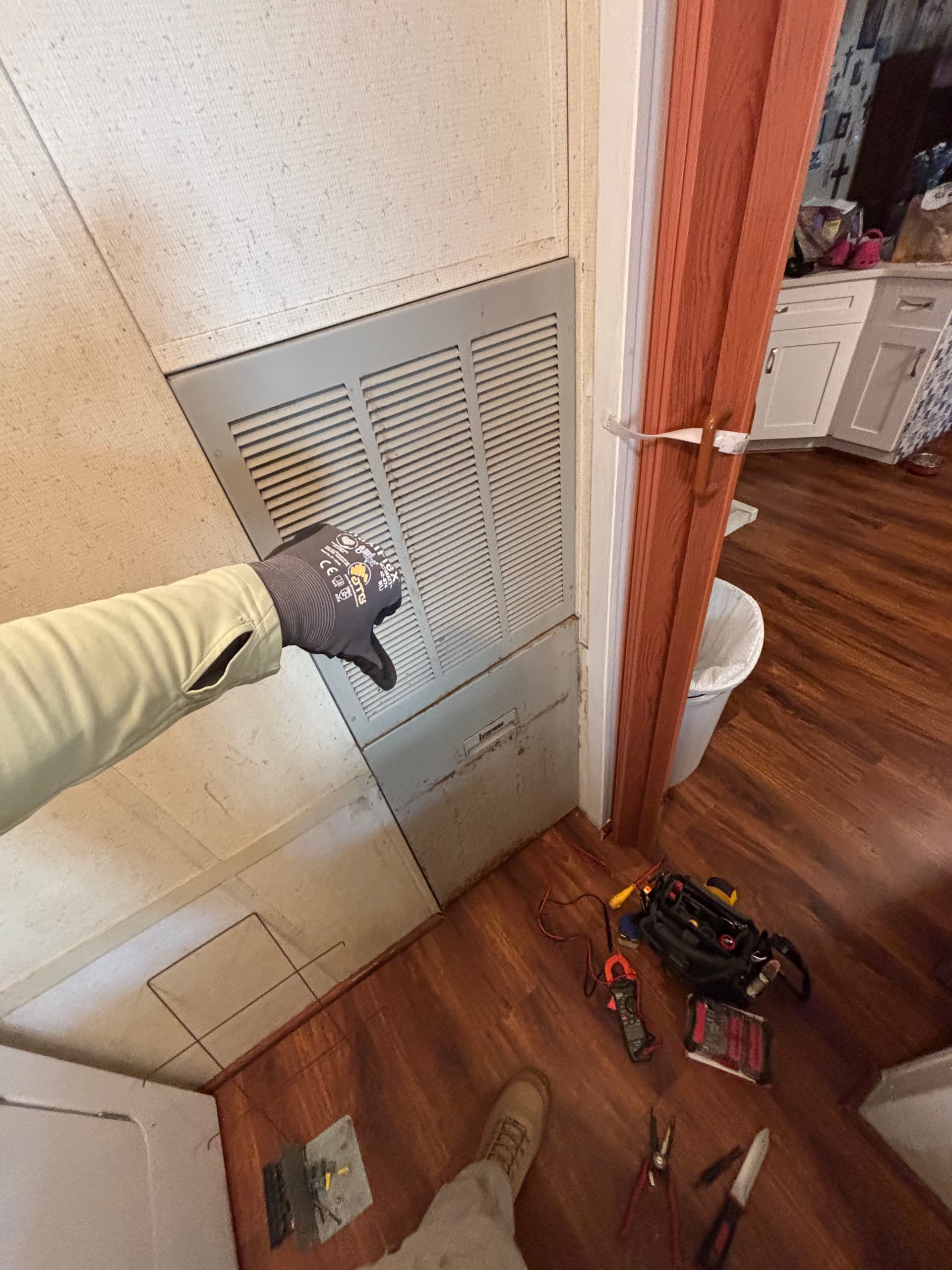
Old electric wall heaters have a way of hanging around long past their usefulness. They take up a chunk of wall space, they struggle to heat a room evenly, and they run up your electric bill doing it. When a homeowner is finally ready to move on from one, that's usually a good sign - because better options exist.
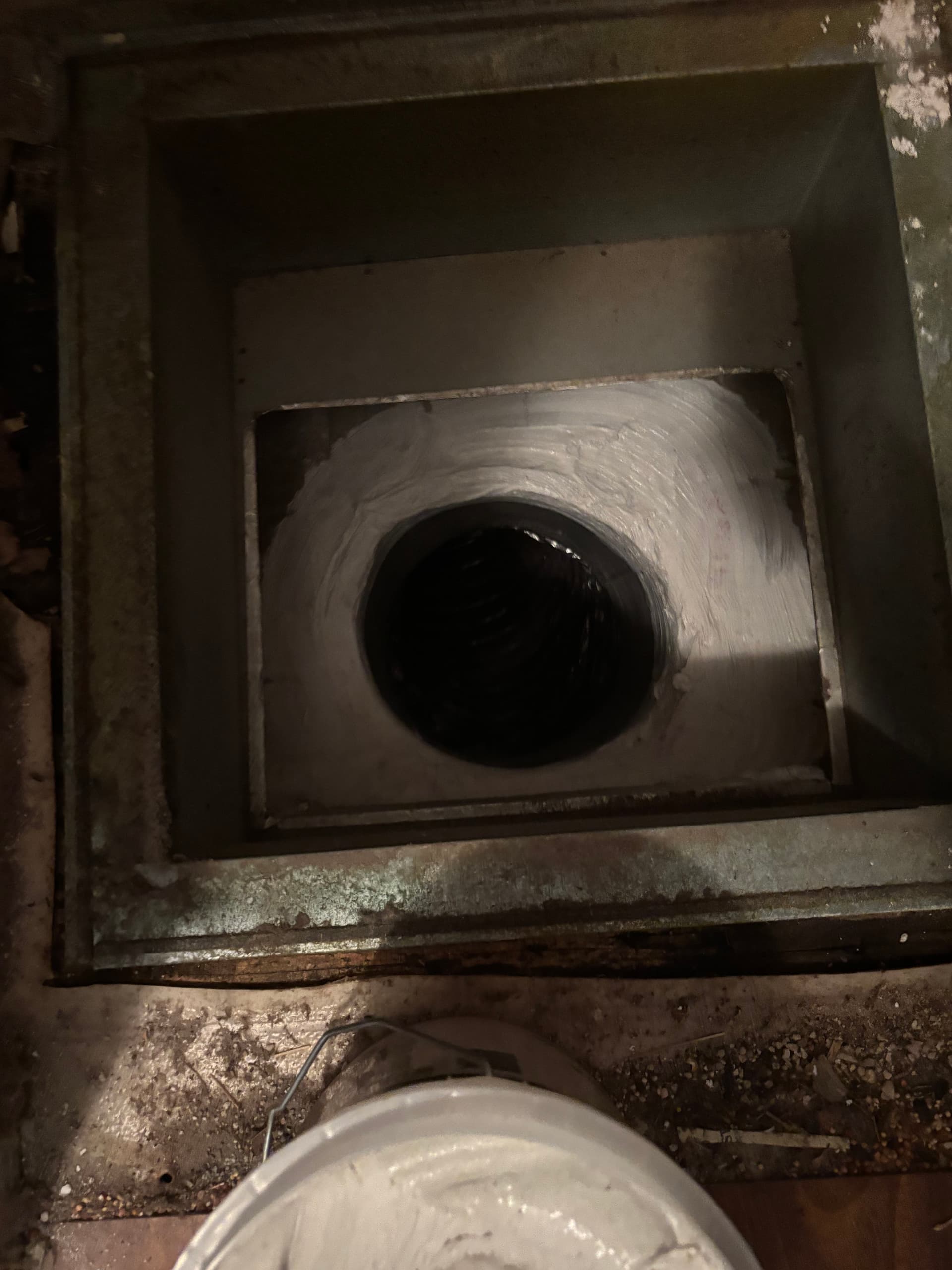
Here's what we were working with: a built-in electric wall heater that had seen better days. Getting it out is only part of the job. Once it's gone, you're left with the ductwork underneath that needs to be properly addressed. That's where a lot of people don't realize how much detail goes into doing this right.
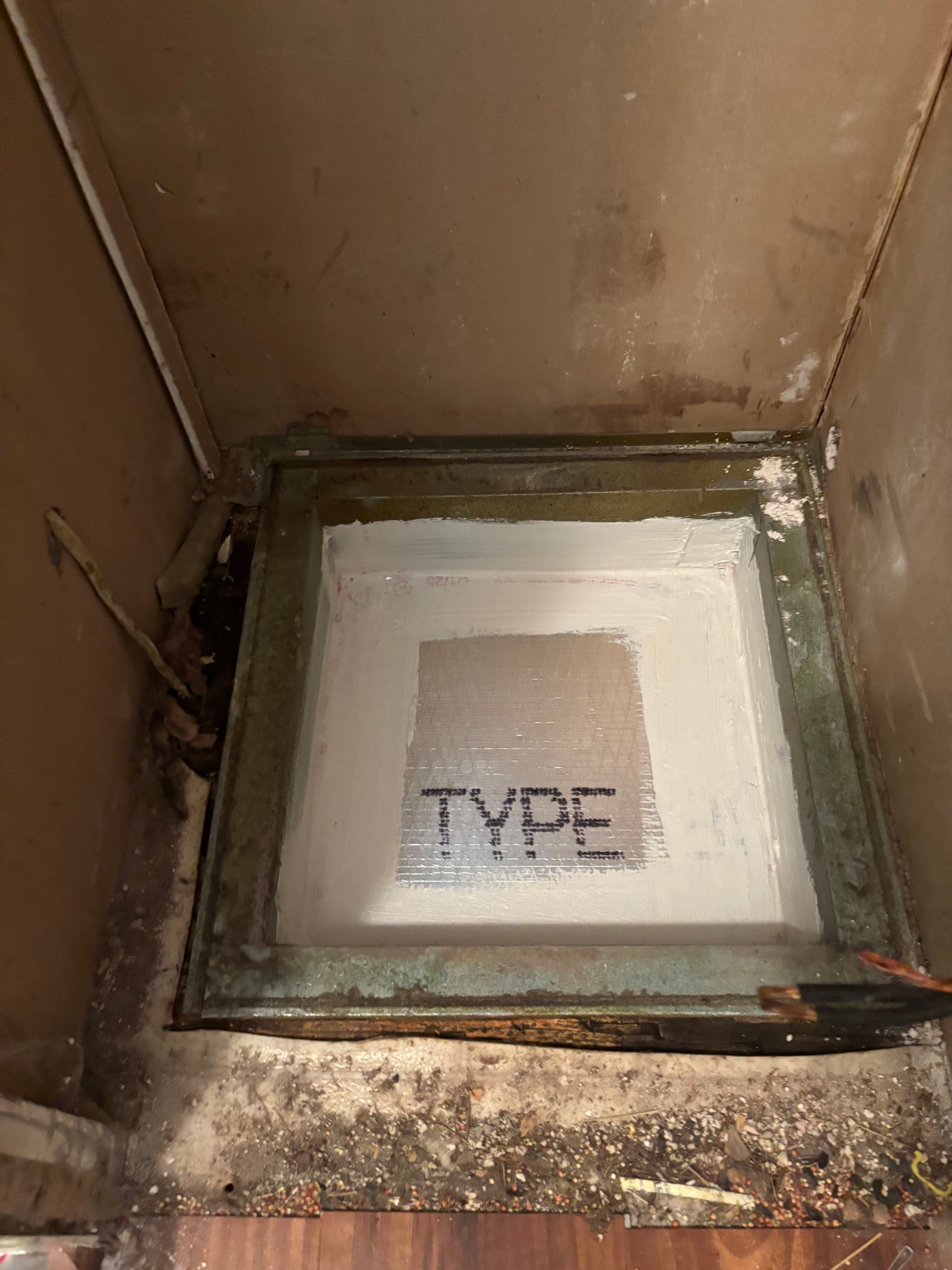
We sealed the duct opening using mesh tape and mastic - the proper way to close things up so you're not losing conditioned air or pulling in unconditioned air from below the floor. It's not glamorous work, but skipping it or doing it halfway causes real problems down the line. A clean, airtight seal matters.
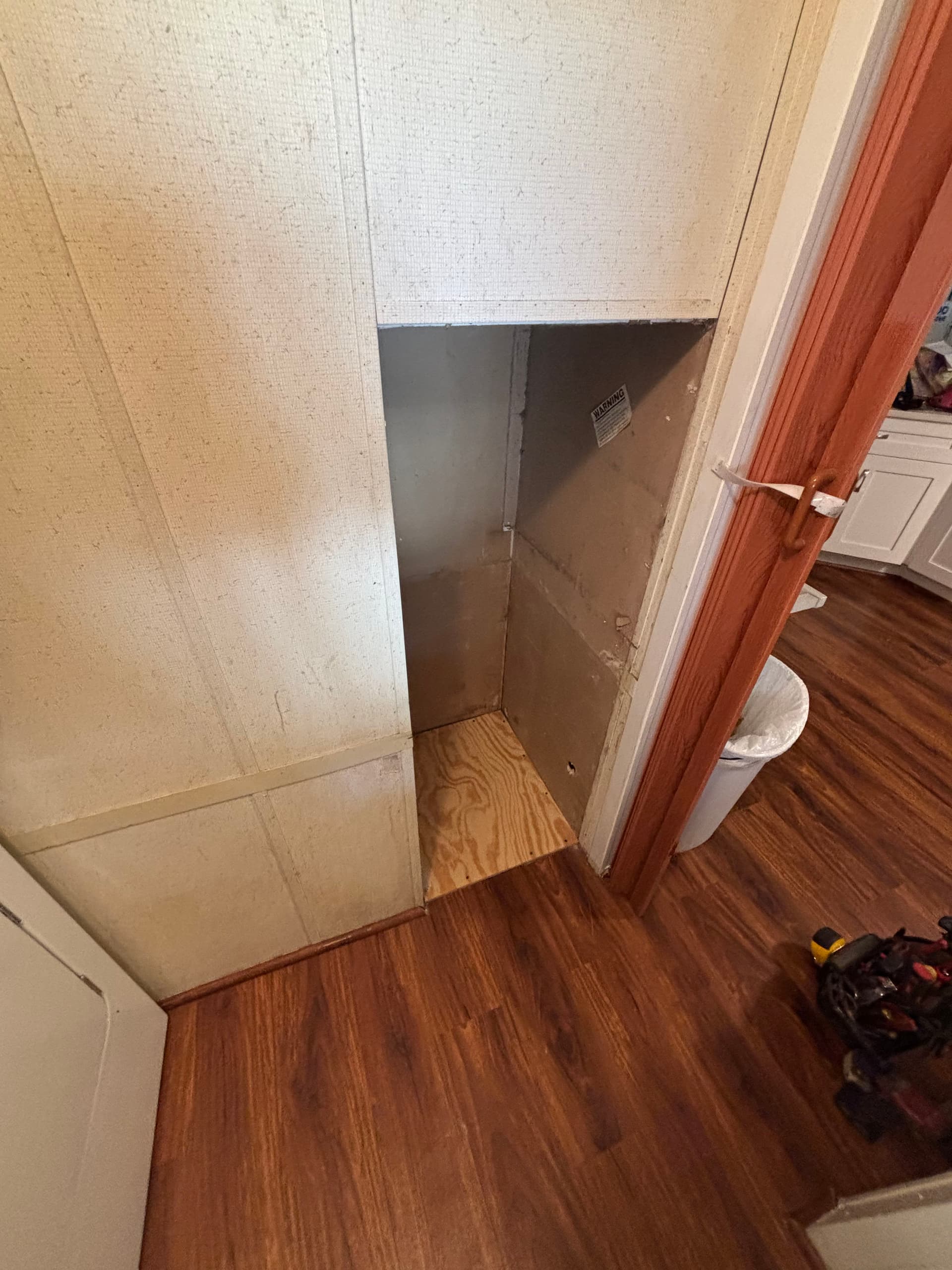
With the heater out and the ductwork handled, that wall space is now free. Whether the homeowner fills it in, uses it for storage, or ties it into a new heating system, the hard part is done. No more outdated equipment eating up square footage and underdelivering on heat.
If you've got an old wall heater you've been staring at and wondering about, we're happy to take a look. Sometimes people are surprised at how straightforward the removal process is - and how much better their options are once that old unit is out of the picture.