AC Compressor Replacement and Coil Cleaning on a Struggling Rheem Unit
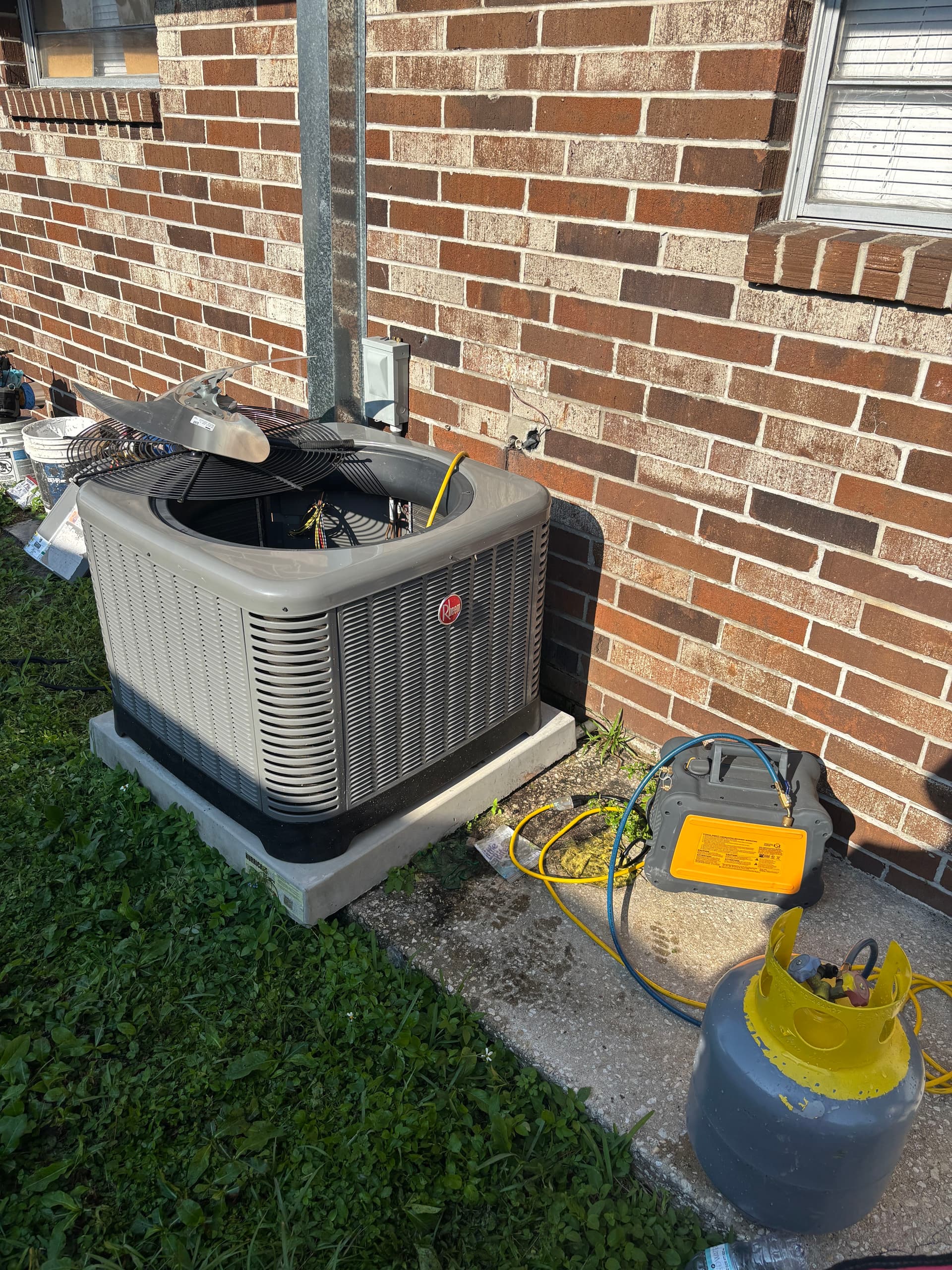
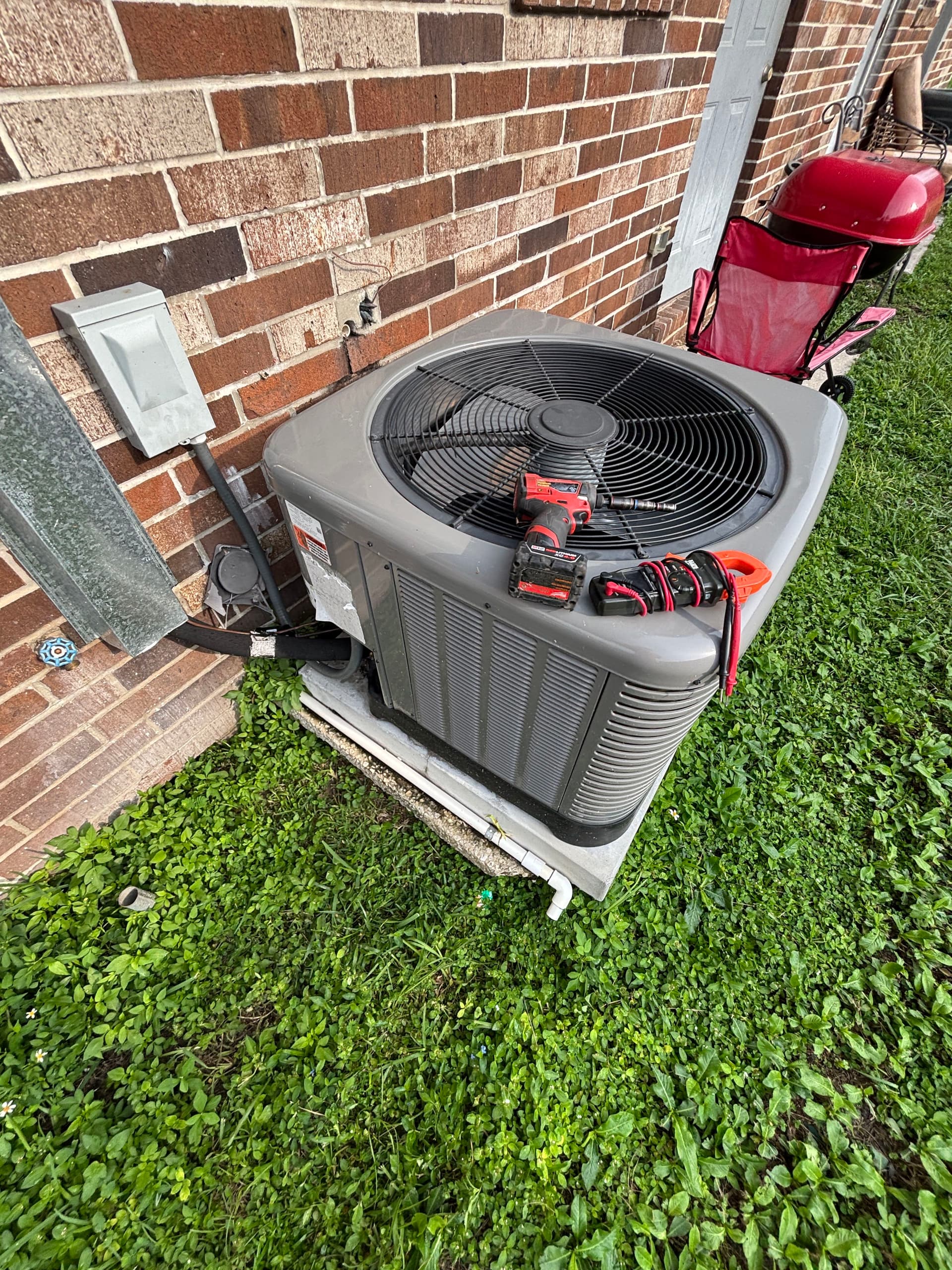
When a compressor fails, your AC basically stops doing its job. The system might still run - fans spinning, unit humming - but without a working compressor, there's no refrigerant moving and no cold air getting inside. That's exactly what we were dealing with here on this Rheem unit.
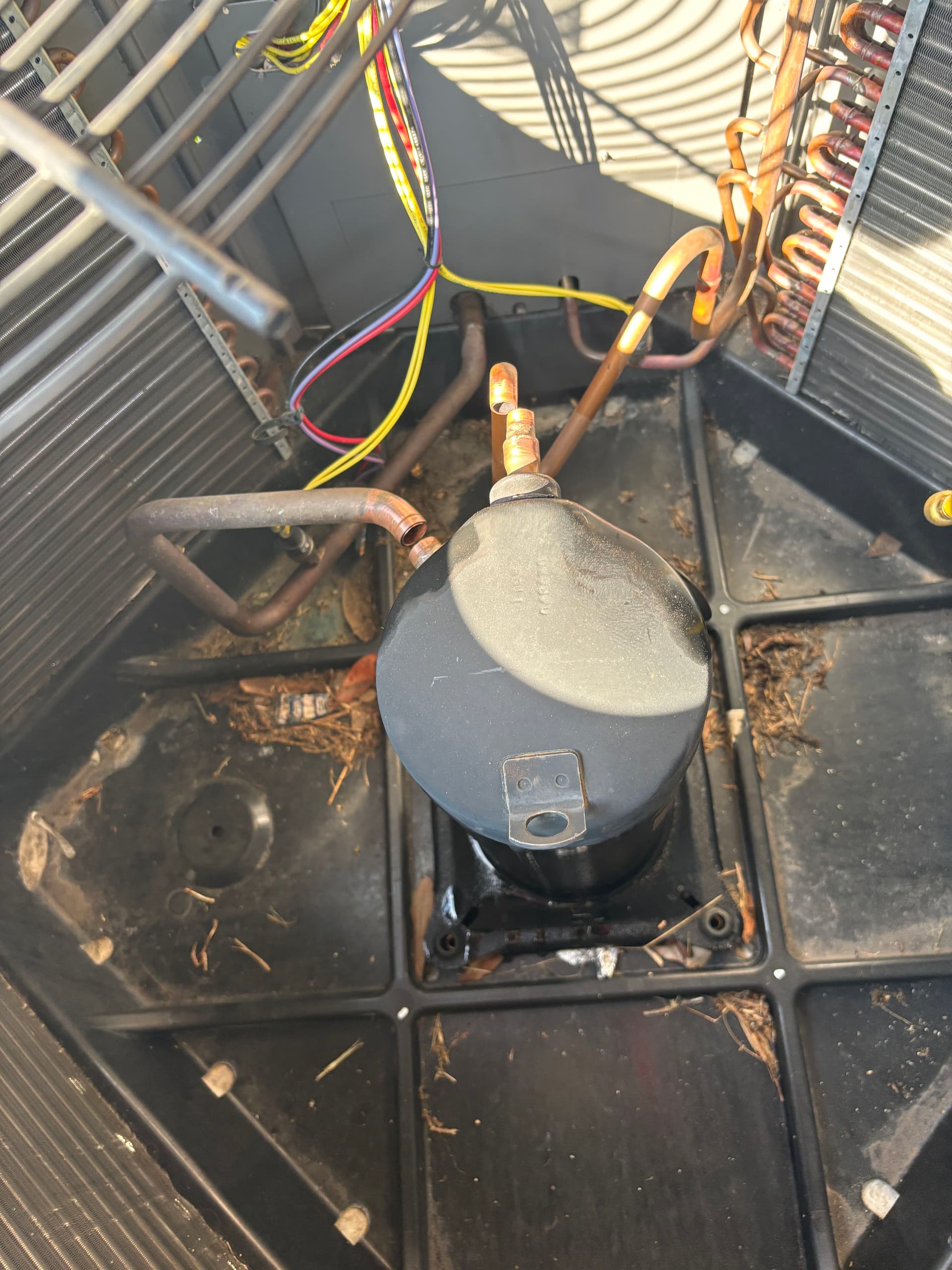
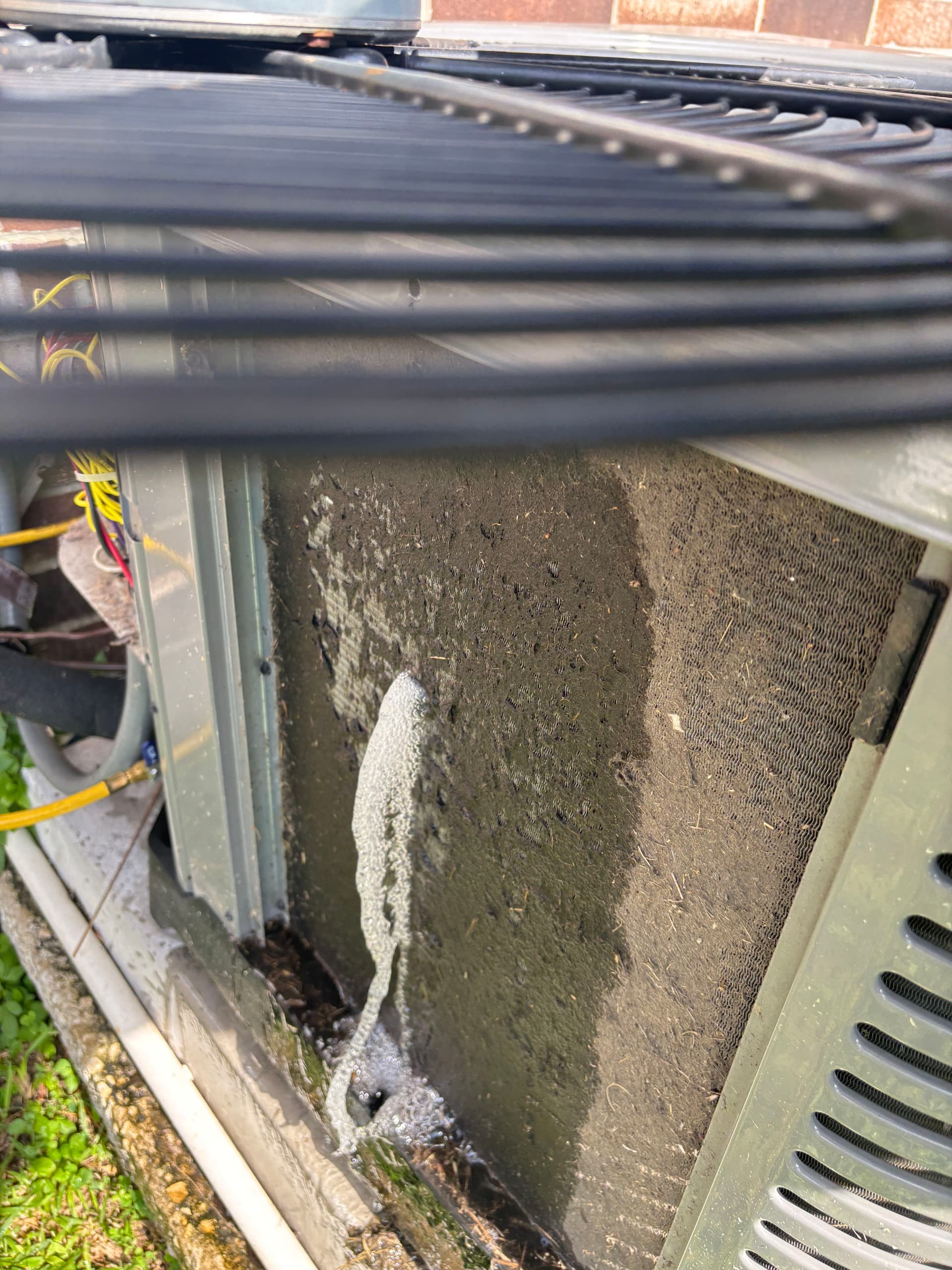
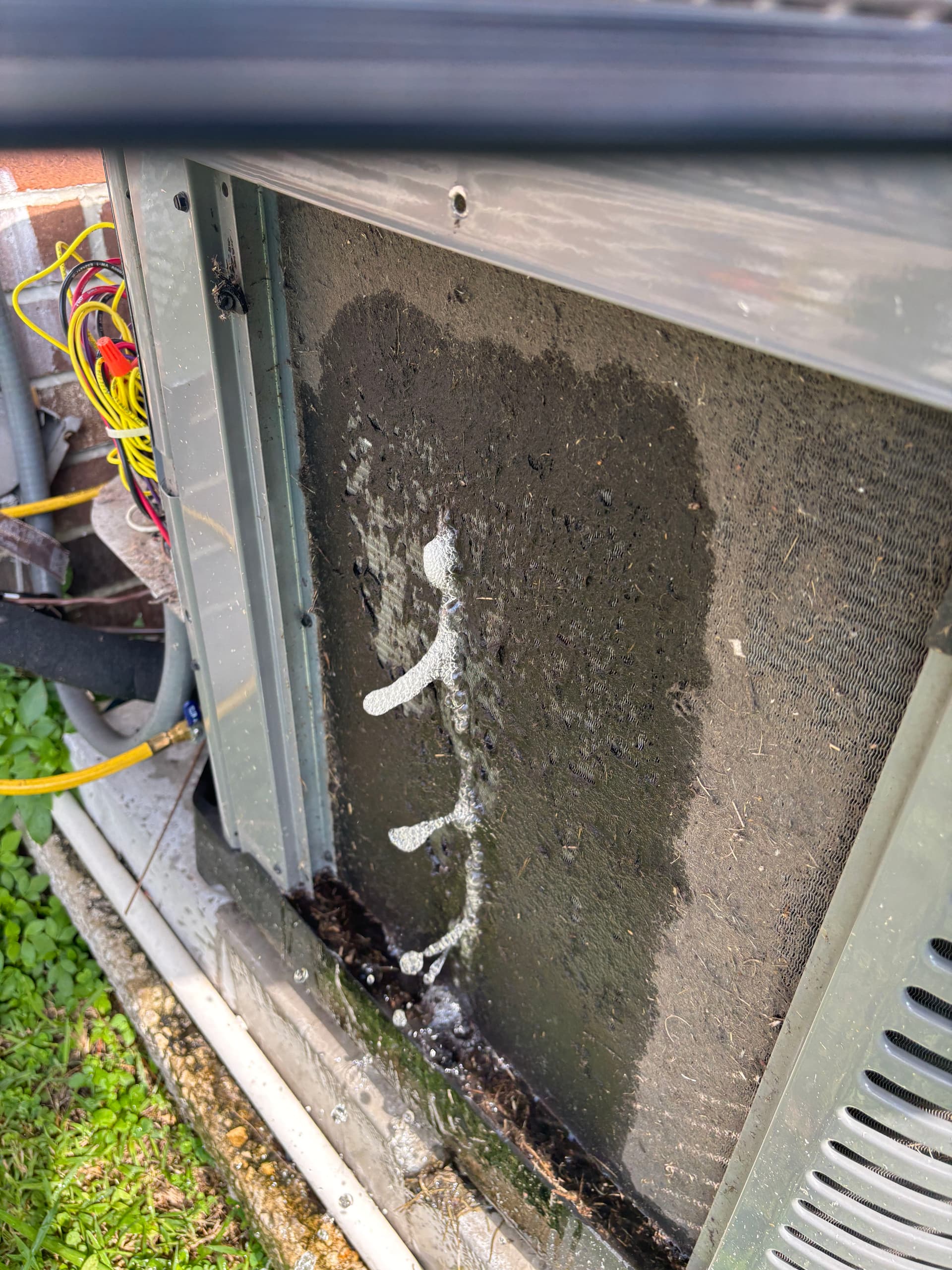
We pulled the top off and found a compressor that had given out completely. Inside the unit, you could also see the kind of debris and buildup that accumulates over time when a system goes without regular maintenance. The coil was packed with grime - dirt, dust, and organic debris layered so thick it was choking airflow. A dirty coil forces the system to work overtime just to move heat, which drives up energy costs and puts serious stress on components.
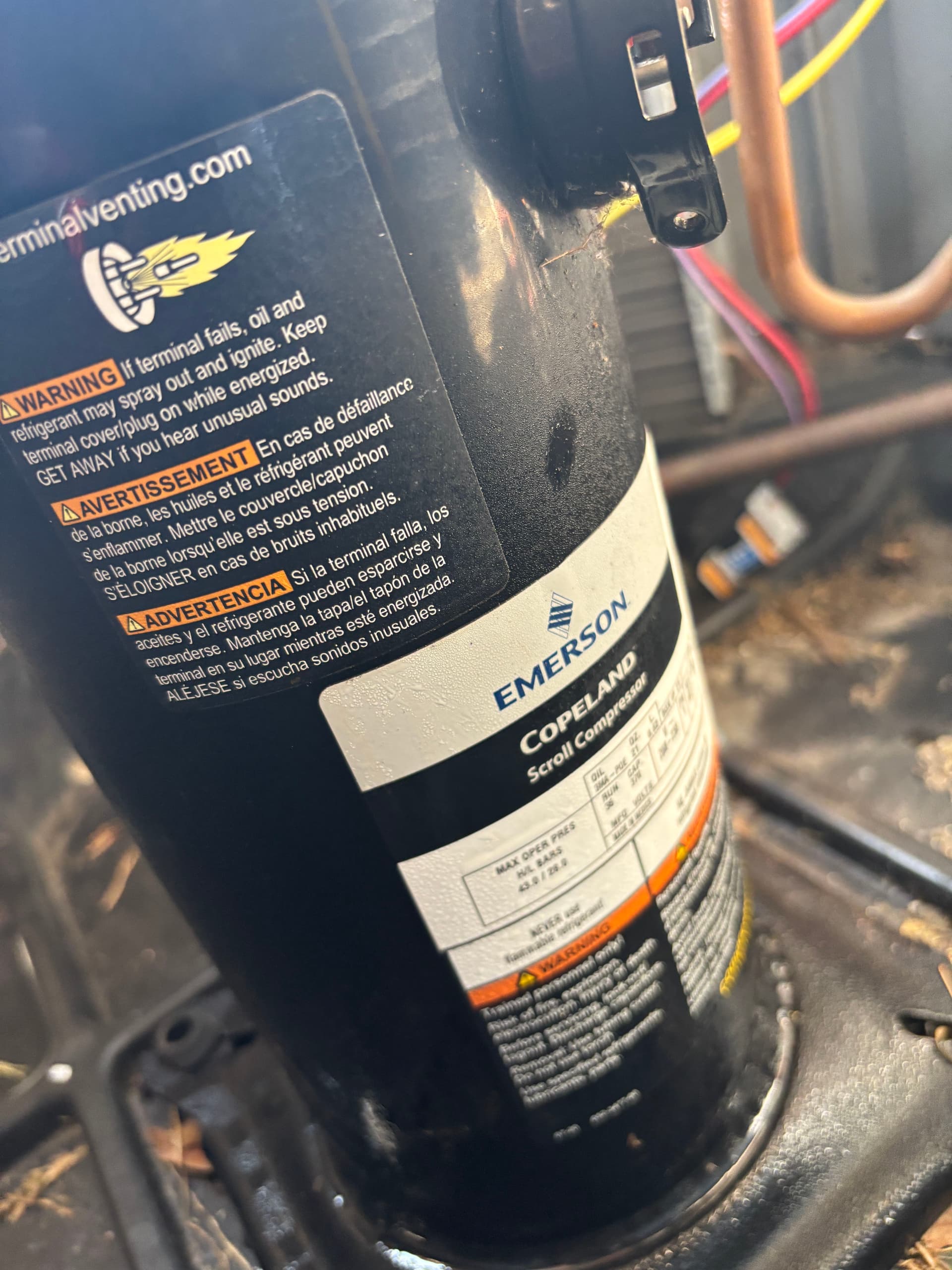
We swapped in a new Emerson Copeland scroll compressor - a solid, reliable unit that's widely used in residential systems for good reason. Scroll compressors run quieter and more efficiently than older piston-style compressors, and they hold up well over time. After getting the new compressor in, we gave the condenser coil a proper cleaning to get airflow back to where it should be. The coil cleaning alone makes a noticeable difference in how efficiently the system runs.
A failed compressor doesn't always mean you need a full system replacement. In a lot of cases, especially with a unit that's otherwise in decent shape, a compressor swap paired with a good coil cleaning is exactly what's needed to get things running strong again. That's what we focus on - fixing what actually needs fixing, not selling you something you don't need.
If your AC is struggling, making odd noises, or just not keeping up with the heat, don't wait on it. A system that's working too hard is one that's headed for a bigger problem.